- Posts
- 16,863
- Likes
- 47,901
STANDY
··schizophrenic pizza orderer and watch collector200 mostly useless posts in 2 months is insane btw

FIFY

Come on this one was very useful ☕
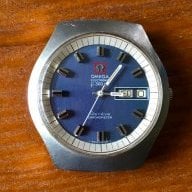
I could see why you would say that but we had already been talking for twenty minutes before we got into watches. They were two friendly guys I felt bad he didn’t even know he had a redial. He asked me for help he wants his shop to be known having nice watches and he does have some nice watches. He asked me for suggestions and my first thought was separating the chaff from the wheat. I didn’t say throw out the invicta I suggested they don’t have a Rolex sitting next to an invicta sitting next to a omega. Those were really the only things I said and they were appreciated enough that I got the 60’s constellation for 350. I know they aren’t upset as they even called last week to see how I am doing with the constellation. When I was younger I worked for the federal and state prison system mainly with the guys being released on decade or longer sentence. Because of this I had to bulk up on psychology to work with these guys and while I’m no expert I can usually tell when my approach to someone needs to be adjusted. I have had failures though. One guy on my caseload needed to be medicated he decided he didn’t. We had just got him set up in independent housing and he grabbed a knife charged at me saying he wasn’t taking his meds. I moved quickly that day.
They were also the ones who brought up trading my Cellini. So again, I can see why you would say that but they did request my help. If they ask me what to do about the painted dials I don’t know a good answer for that one. I’m really hoping these guys make it. I can tell they are nervous I wish I had more knowledge or suggestions but I don’t know their business. Moving the invicta was a damn good idea on my part.