About a 145.022 with the 220 error bezel

Posts
65
Likes
8
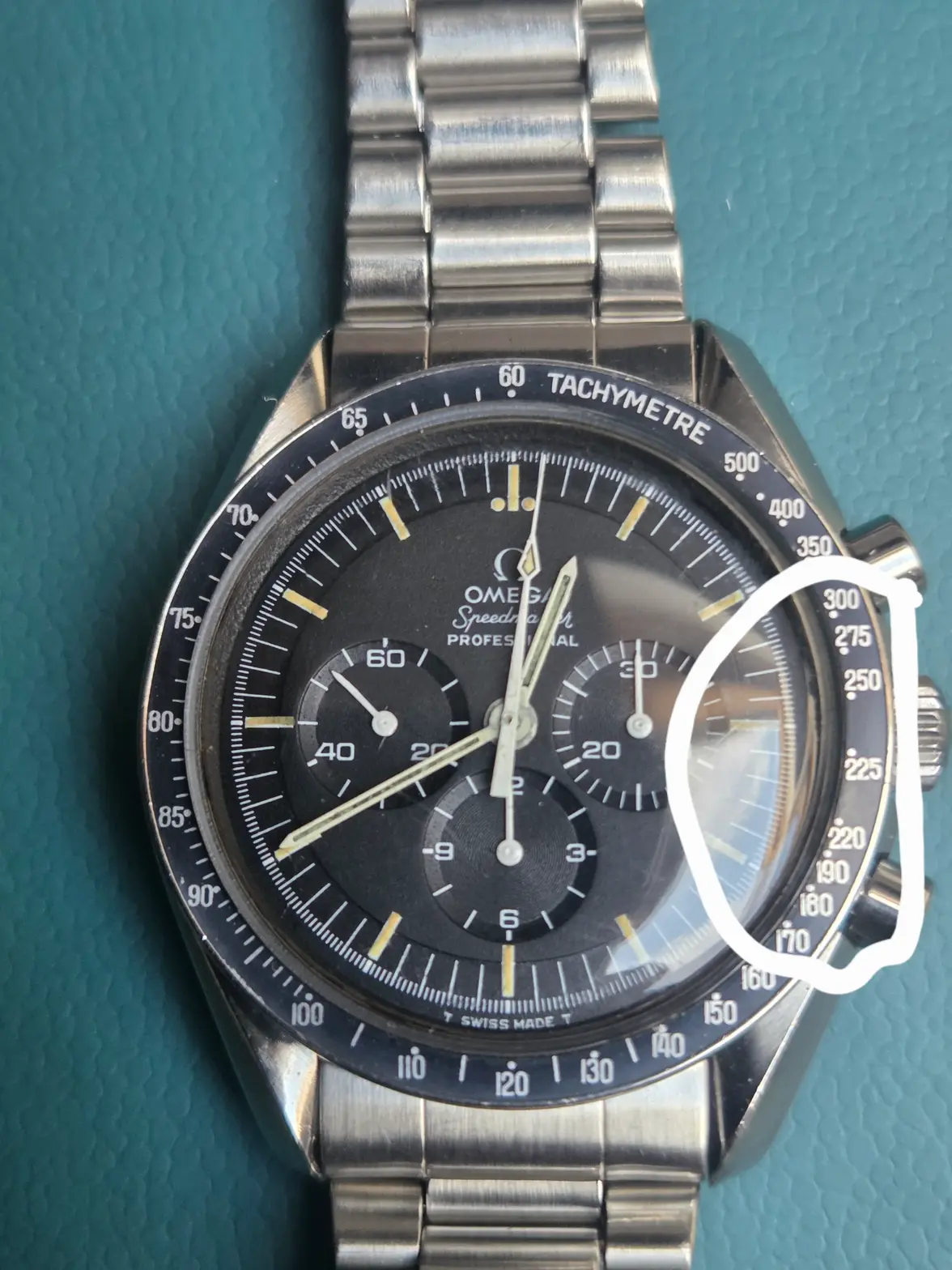
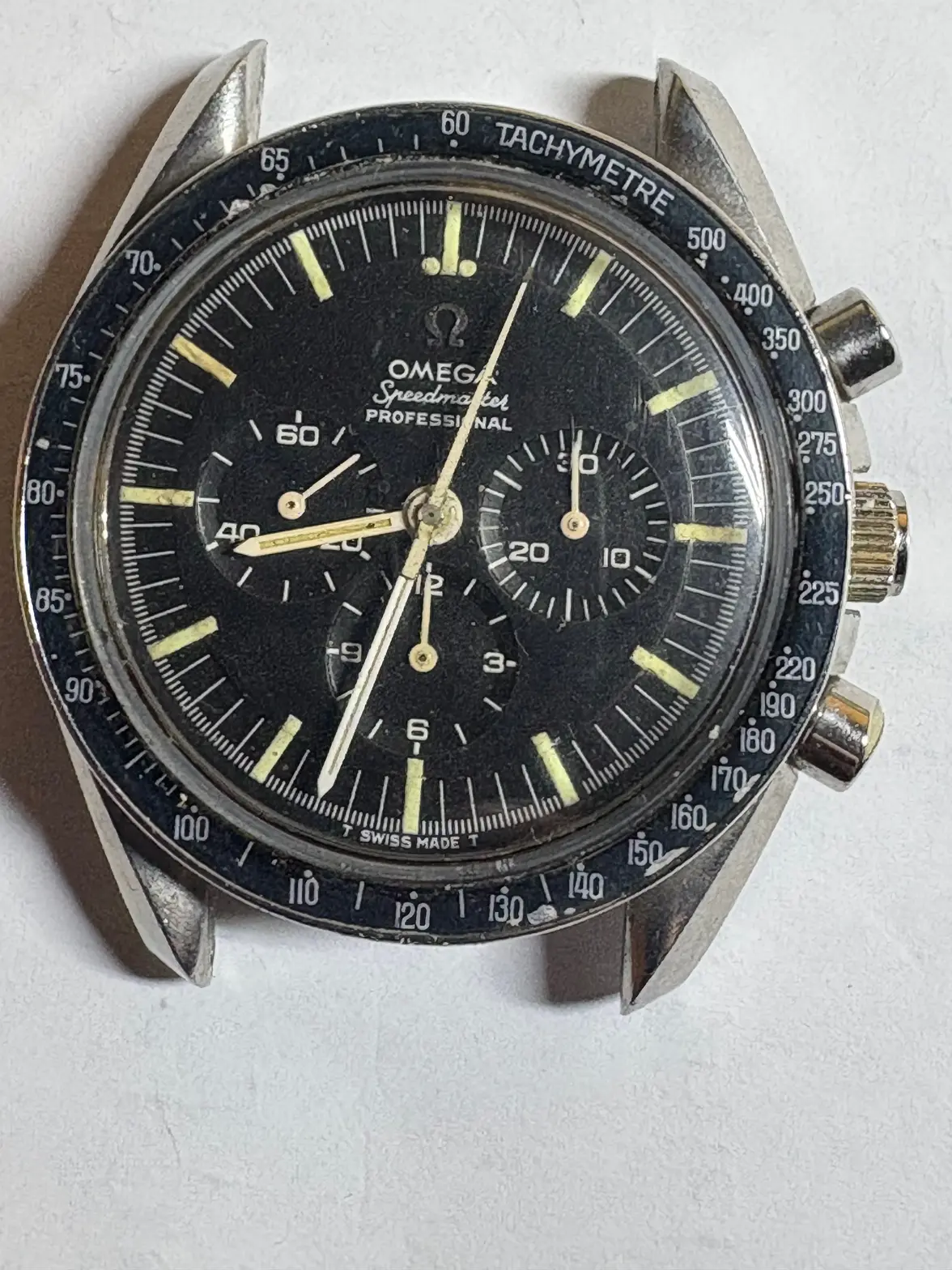
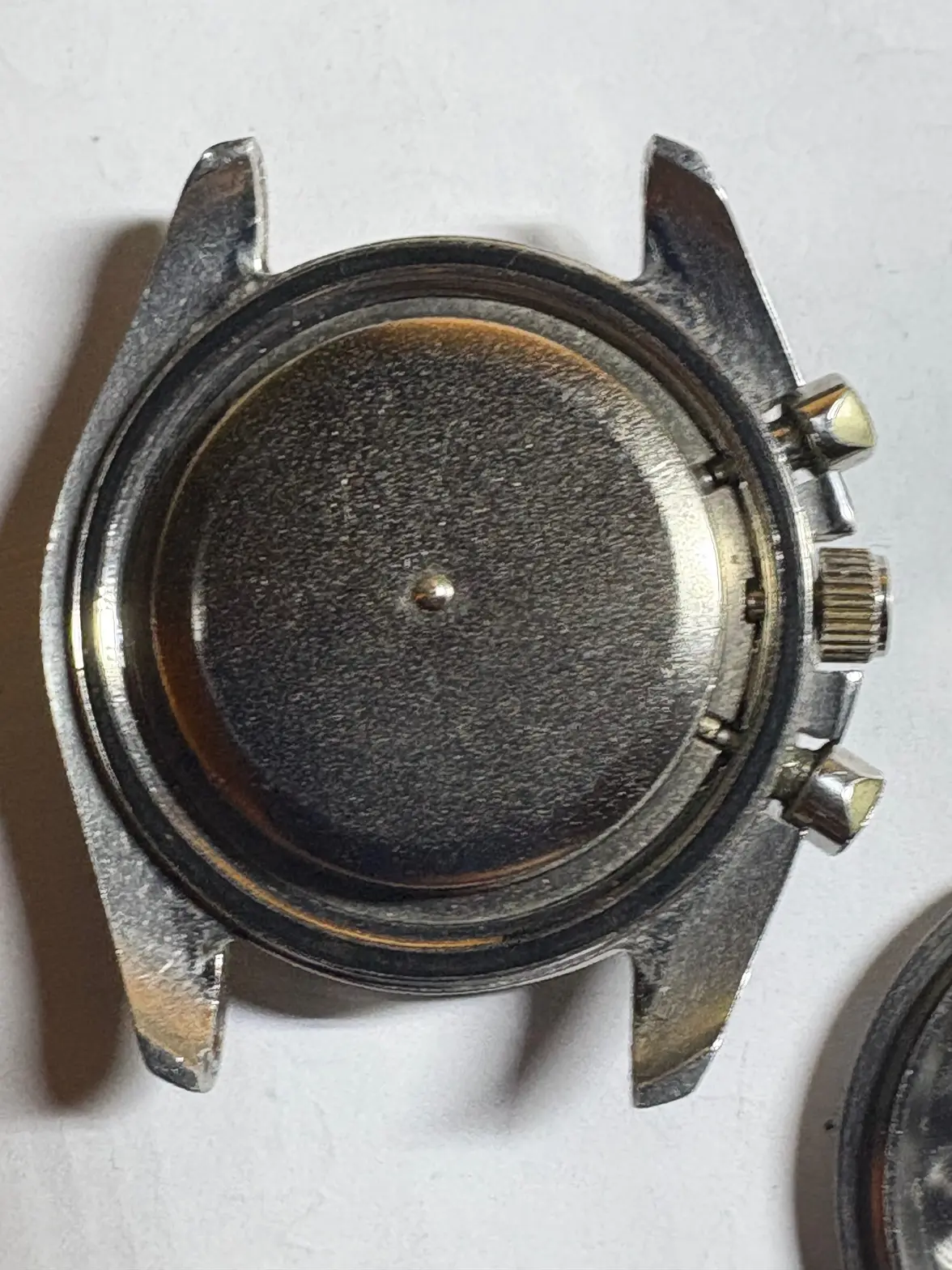
Hi everyone! I recently got a 145.022 with the '220' bezel error.
The serial number falls right within the range defined on Speedmaster 101 for this bezel, so that checks out.
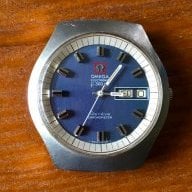
What’s confusing me, though, is that the dial has long indices. Is that even possible? Has anyone ever seen something like this? Thanks
 
Posts
10,662
Likes
16,632
No it doesn’t sound right. Show pictures. What exact model is your speedy? ie what year iteration.
Edited:
 
Posts
3,424
Likes
7,579
What is the SN?
If it is in range of 220 bezel watch it should be 30,580.xxx range- from Sept- Oct 1970.

There is no factory correct long indices watch with that serial number range, so it could feasibly be dial swapped from 145.022-68 transitional which has cal 861 so dial swap would be easy.

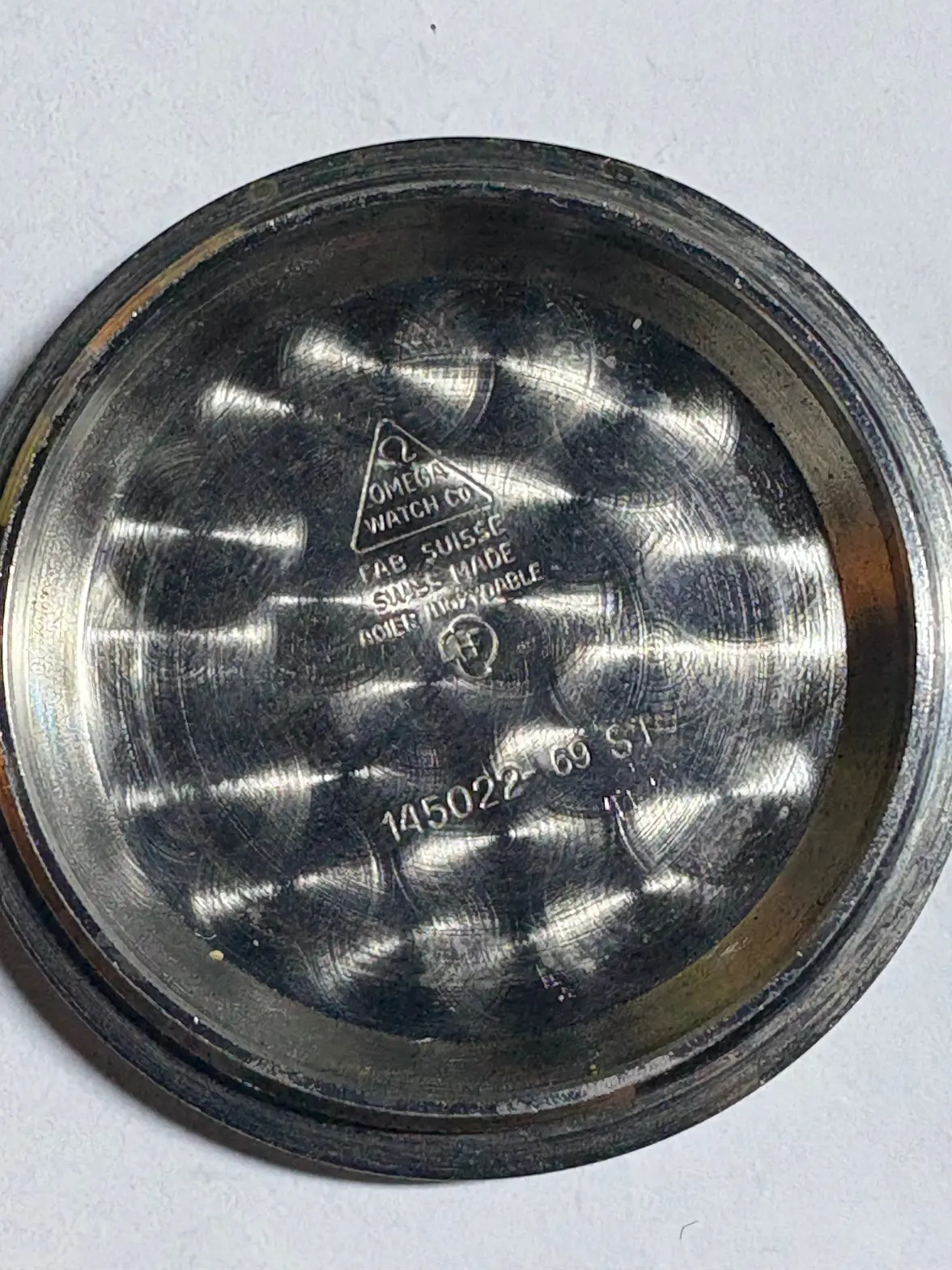
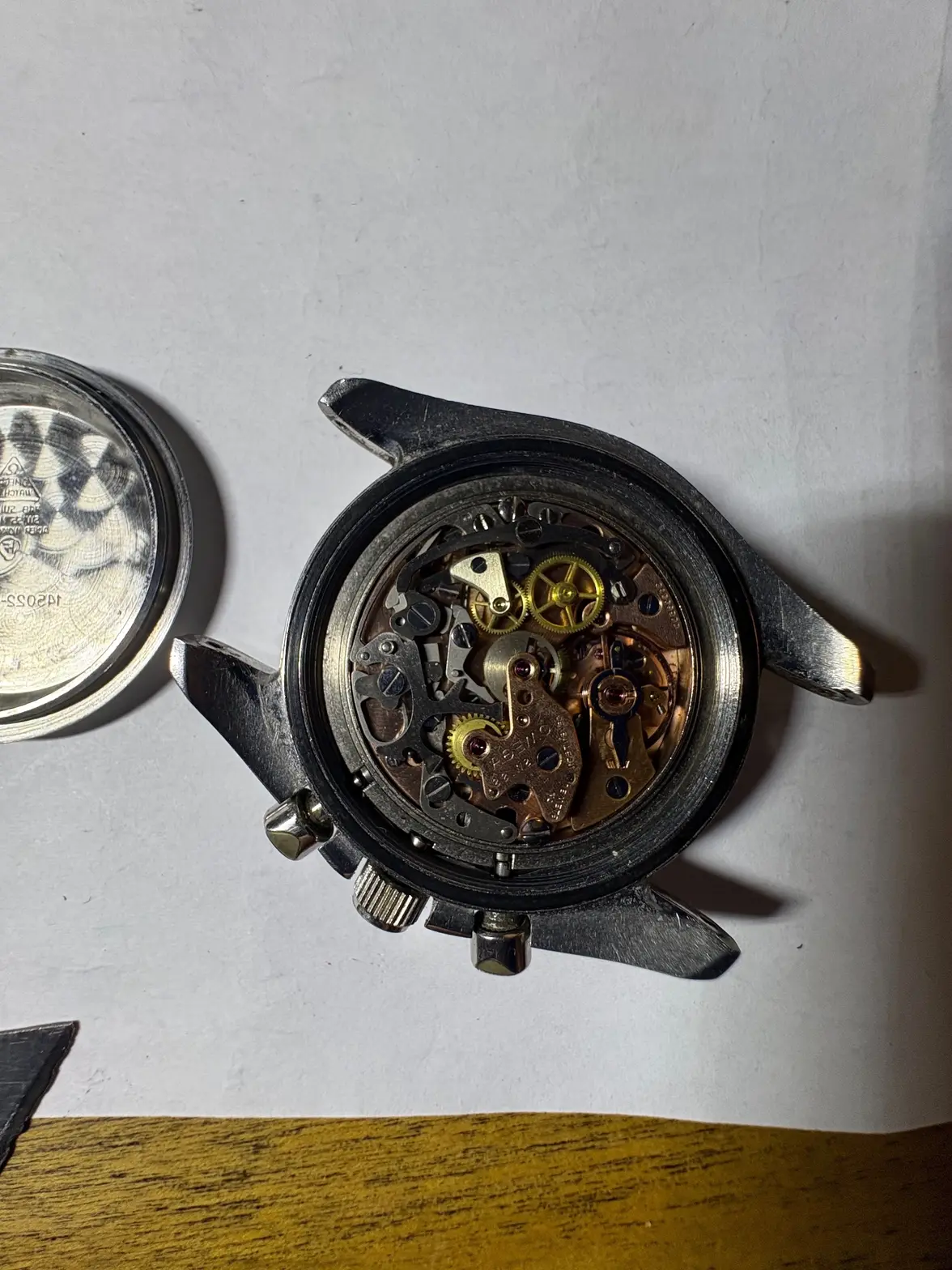
So that’s my guess but inside Caseback reference info and confirmation of SN on movement will give answer.
 
Posts
124
Likes
81
Here is mine for comparison, the edit was to show someone else what difference was between a 220 bezel and standard

 
Posts
65
Likes
8
Thanks for your replies, everyone.

My Speedy is a 145.022. According to Hairspring, I found this information:


"Omega produced a batch of bezels with 220 where 200 should be on the tachymeter scale. The bezels were fitted to watches with serial numbers ranging from 30.589.XXX to 31.000.XXX. One such example made this misprint famous on page 295 of Gregoire Rossier and Anthony Marquié’s Moon Watch Only. The mistaken graduation is interesting, but it is particularly rare to find the bezel on a watch where it belongs."
My serial number falls right within this range, and regarding the long indices, it might have been a dial swap during a service, as SOG53 mentioned.

I can't take pictures right now because I'm traveling, but as soon as I get back home, I'll upload them.

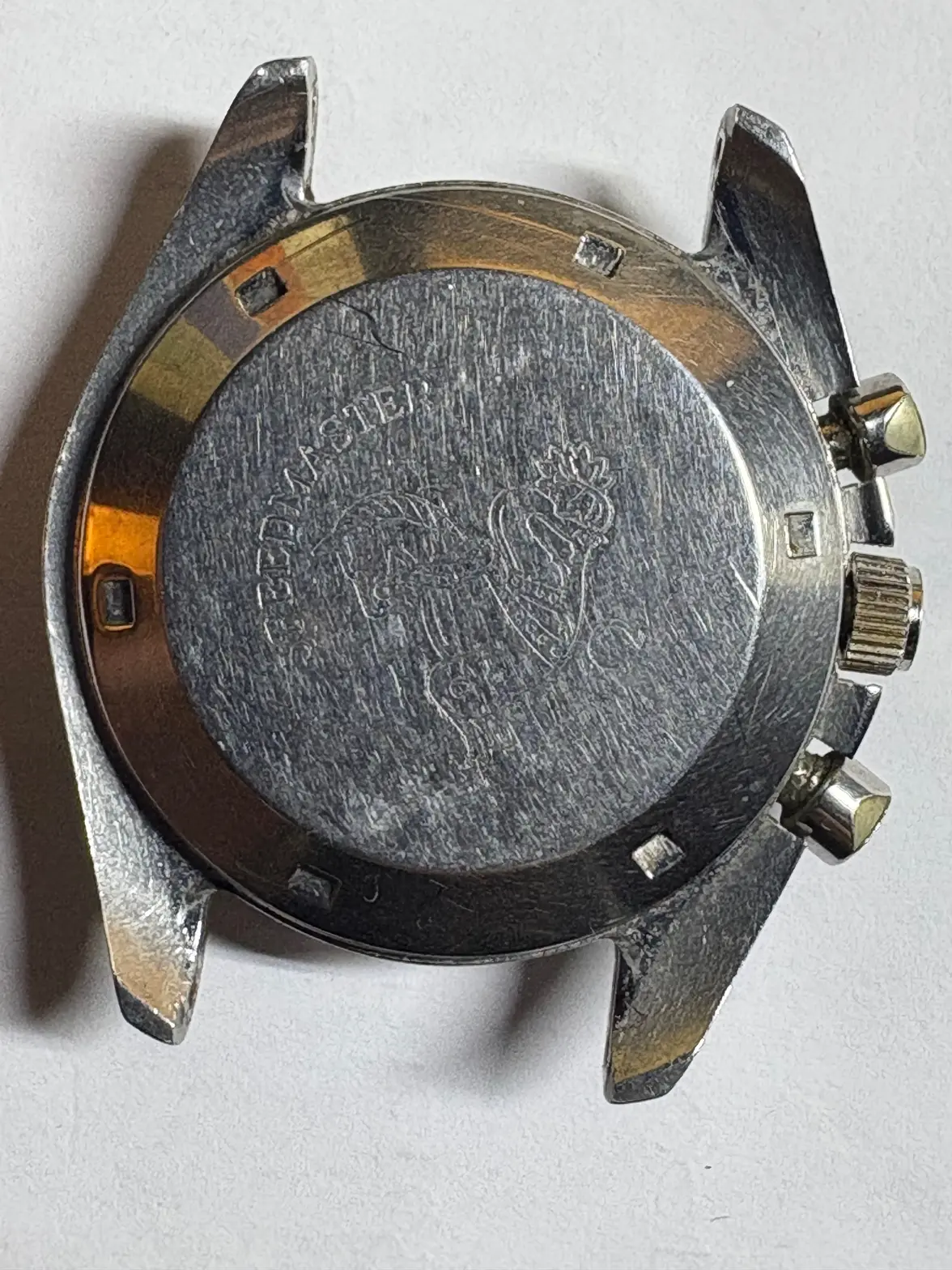
The case back, if I'm not mistaken, is a 145.022 - 69 SP
 
Posts
24,723
Likes
54,916
Normally a service replacement is a newer dial, not an older one. So this would simply be a mismatched dial that was installed to replace something missing or damaged.

As noted already, you should post comprehensive photos when asking for feedback. Often, people posting don’t know what they don’t know and they omit important information. We really don’t know what you have until we can see it.
 
Posts
65
Likes
8
Hi Dan, I assume you're an expert on these matters—I'm certainly not, though I've gathered some information and consulted those who know more.

When I mentioned a dial replacement during a service, I was actually referring to what user SOG53 kindly suggested, and I didn't mean an official Omega service specifically. Sometimes an independent watchmaker has used parts in stock; I don't know the full history of this watch, but something like that could have happened.

Regarding the photos, I already mentioned that I would upload them as soon as I got back home. I've been traveling since yesterday, and by tomorrow afternoon I'll be able to do so.

Thanks again for your feedback
 
Posts
3,424
Likes
7,579
The SN is too blurry can you tell what it is please
 
Posts
3,424
Likes
7,579
Movement SN a bit late for 220, around Jan/Feb 1971. But could be at end of 220 observed range up to 31,008xxx in some reports.

Movement 145.022-69 as you said, early 1971 by SN cal 861

Dial is earlier long indices applied logo and probably comes from 145-022-68 transitional, as that was only long indices reference with cal 861. Dial from earlier cal 321 references had wider and longer dial feet so would require modifications to fit cal 861 so that seems less likely.

So it’s possible that watch left factory with 220 bezel, but it’s a bit beyond the quoted range.
The dial is swapped from 144.022-68 watch.
Could the bezel also be from another watch? Yes but at this point there is no way to know. Even if Extracts of Archives were available (and they are not and may not ever be) that would only tell you the reference, cal and SN but not the bezel.
So you can choose to believe what you wish about the bezel, but the dial is a swap ,( albeit a nice one. ). The bezel is also nicer than most and the watch is attractive.
I would simply wear and enjoy it and not try to change anything other than get it serviced first as it looks like one of the pusher caps may fall off .
 
Posts
65
Likes
8
Hi SOG!
Thanks for your kind feedback!Both pushers are worn out, the crown too; I'll see if I can find used ones.My watchmaker checked it over; regarding the bezel, he tells me he already saw some with the 220 error many years ago that came with that bezel straight from the factory, with a movement serial number even slightly higher than mine (he worked at the official Omega service center in my country). So, the limit doesn't seem to be very official, so to speak, but well, it's a professional practice of sorts.He told me the same thing as you about the dial; they probably took it to a watchmaker who had that one and used it as a replacement. We'll see if I can get a pair of pushers and a crown, and yes, I'll enjoy wearing it, thank you very much!"
 
Posts
5,348
Likes
24,436
Judging from the state of the watch, it is entirely possible its an assembly from more than one watch. It will be interesting to see the dial feet

 
Posts
65
Likes
8
If we start considering possibilities, there would be infinite combinations (just like it can happen even with a watch that meets all the standards of its era, where everything seems to fit, and it ends up being a parts bin special, but put together neatly and with the right knowledge).As my watchmaker already told me (who, as I mentioned before, worked at the official service center in my country), he saw many factory-original watches where the movement serial number didn't strictly fit within the ranges—like in this case, where the 220 error bezel is defined with numerical precision.Some people define a transitional 145.022 in a specific way, but it is also known that watches left the factory with long indices, and some with case backs dated '68 and others '69 (and they say this was standard practice at the headquarters, because they used whatever case backs, dials, etc., they had on hand, or perhaps it was headquarters policy for it to be that way).If collecting (and not the Omega factory) defines a transitional not just by the dial and serial number, but also by the case back date (which some say has to be '68), then the ones that left the factory at the exact same time with a '69 case back would cease to be transitionals.But by getting a '68 case back, it would suddenly become a '100% transitional'!

That being said, and strictly sticking to those rules, taking a vintage watch to an official service center can end up turning an original watch into a non-original one, as happened to me with my 105.012 five years ago.I took it in for a service, they returned it looking brand new, but with new pushers and a crown that weren't exactly identical to the original ones the watch had (the pushers are not the same). I didn't ask for them to be replaced either, and I had to resort to a lawyer to get my original parts back, which they only did 'as an exception' because they told us it was company policy.In other words, I took a 100% original watch to Omega, and what they returned to me no longer was (though it is again now because I put the original pushers and crown back on).With this 145.022, I honestly don't see much point in removing the dial to check the feet, because we already know it doesn't correspond to this model according to what is said on the forum.As my watchmaker says, that difference in the numbering range for the 220 error is not official Omega information, and he has records from back then when he worked at the official service center showing two brand-new watches with that bezel, with a movement serial number slightly higher than mine (though not by much), and those were watches that had their first service in the 70s in my country.My watchmaker might end up having to take the dial off when he checks it, in which case I'll ask him to take a picture of the dial feet, but as SOG said, it's a nice piece, I like the dial just the way it is, and it doesn't make much sense to go out hunting for a short-indices dial just to make it 'all original' and leave this dial sitting in a drawer gathering dust without much purpose.Unless by sheer coincidence I happen to buy a transitional whose dial was swapped for a short-indices one during some past service! Have a nice time, thanks.
from the state of the watch, it is entirely possible its an assembly from more than one watch. It will be interesting to see the dial feet
 
Posts
3,424
Likes
7,579
The dial is removed during a standard service so you can ask for photos of feet and if they were modified to fit the case. If they were modified then you could speculate if dial came from 105.012 or 145.012 rather than -68 transitional.
 
Posts
65
Likes
8
The dial is removed during a standard service so you can ask for photos of feet and if they were modified to fit the case. If they were modified then you could speculate if dial came from 105.012 or 145.012 rather than -68 transitional.
Ok, I'll ask my watchmaker to do it just out of curiosity. I don't really intend to change it anyway, I like it just the way it is. What is unbelievable, though, is the side wear on both pushers; I'll see if I can get a pair, thanks