- Posts
- 3,230
- Likes
- 13,989
Vitezi
·I have been chasing vintage Lemania 15CH chronographs from the 1930s and 40s ever since I began collecting vintage watches. Omega and Tissot collectors know of these as the highly collectible 33.3 series of chronographs.
As most collectors of these watches know, there is scant data available in the historical record. There were three different variants of Lemania 15CH movements used over roughly 10 years of production, and it is difficult to know when the different SSIH brands transitioned from one type to another.
However the values on these chronographs can easily reach five-figures, so there is a strong temptation for the unscrupulous to swap out movements and change dials. Without that historical record, who's to say what's been altered?
Your only defense against a frankenized watch is to develop your own records. I do this by routinely archiving pictures and sales of these watches from eBay and other auction sites. As your record develops over time, you can begin to discern patterns in dials and serial numbers from movements and casebacks that can help you to judge whether a watch has been tampered with.
A case in point:
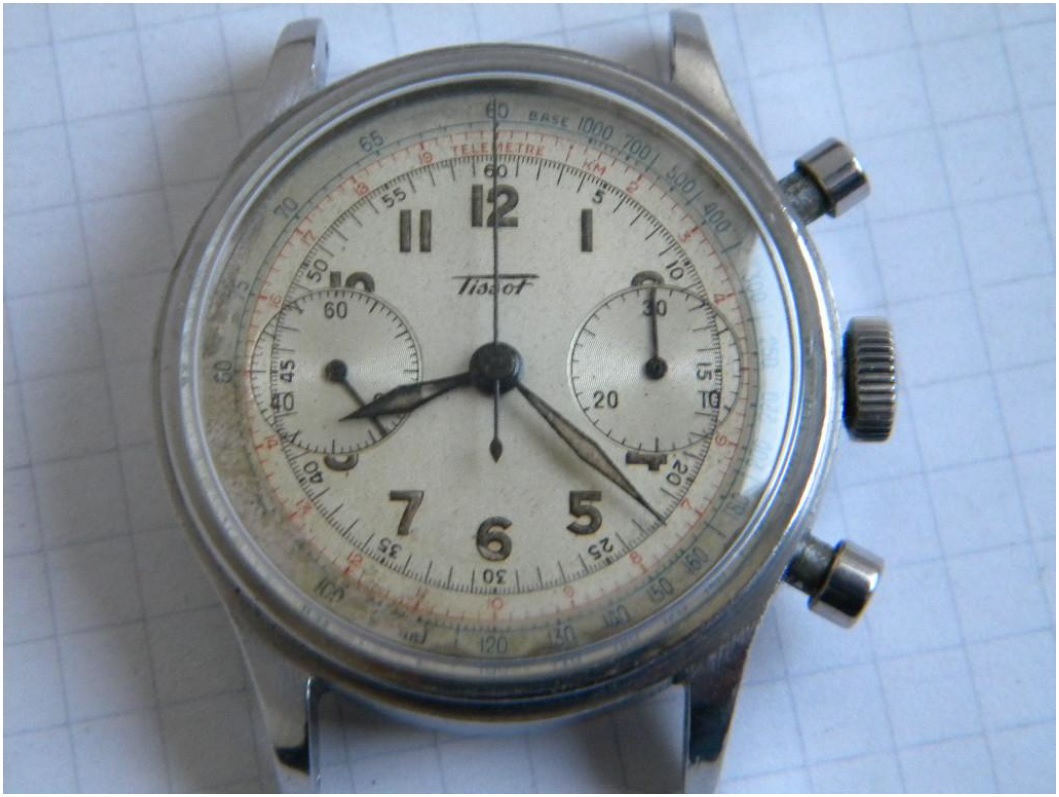
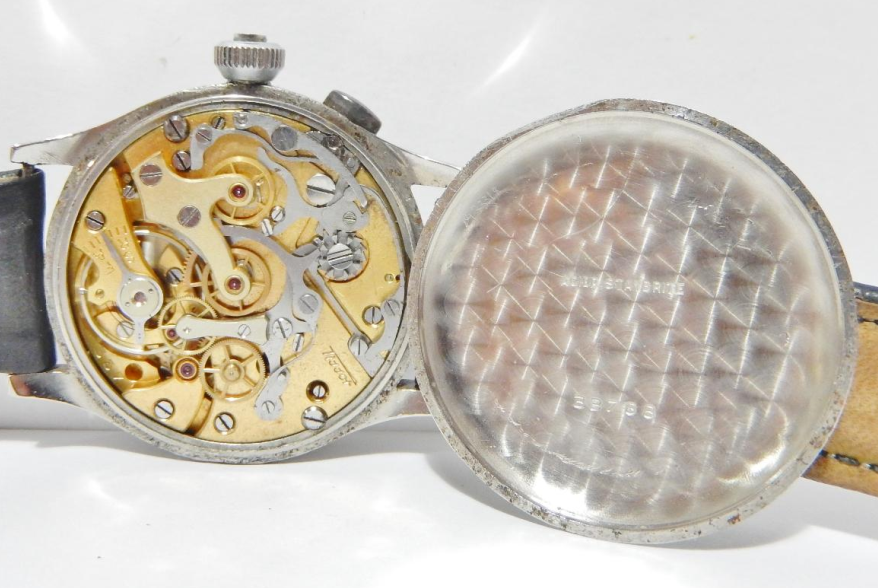
In December 2017, a mid-1930s chronograph featuring an early Lemania 15CHT movement came up as a buy-it-now sale on eBay. The watch featured a slightly-faded dial with Breguet numerals, a red snail tachymeter, telemeter scale, and lovely moon hands set inside a steel coin-edge case (although the winding crown/pusher was likely not original):
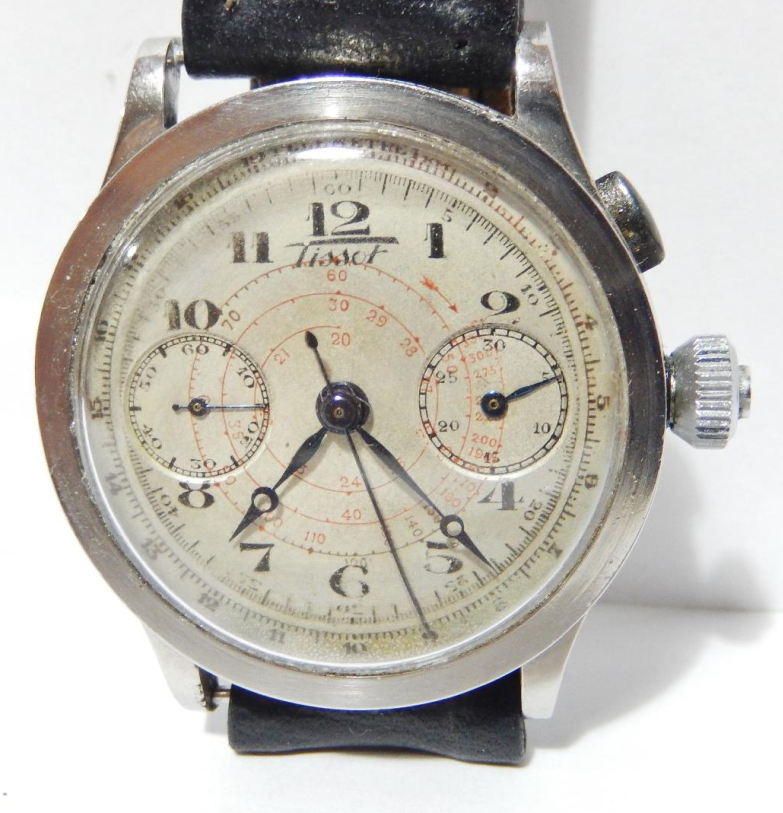
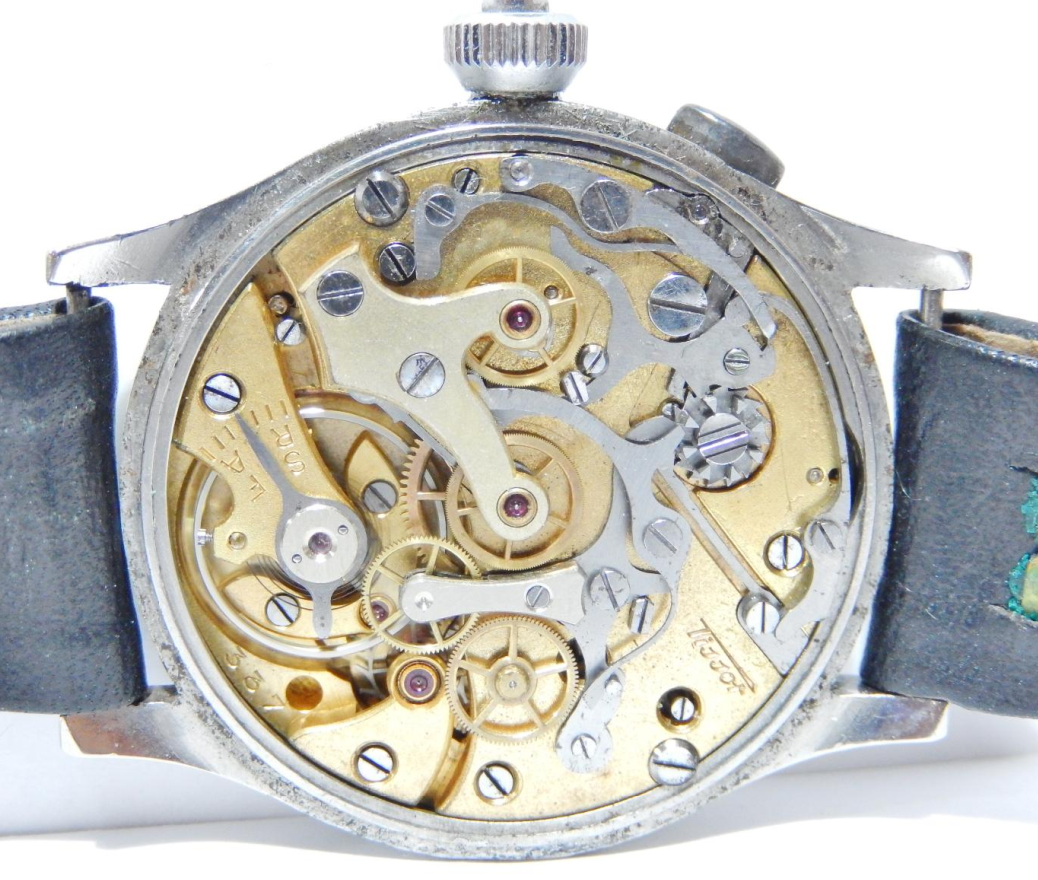
The caseback serial 33788 and movement number 337 suggest an early production watch, probably 1935-1937. The style of the dial closely matched other watches with similar serials, indicating the dial was likely original to the watch.
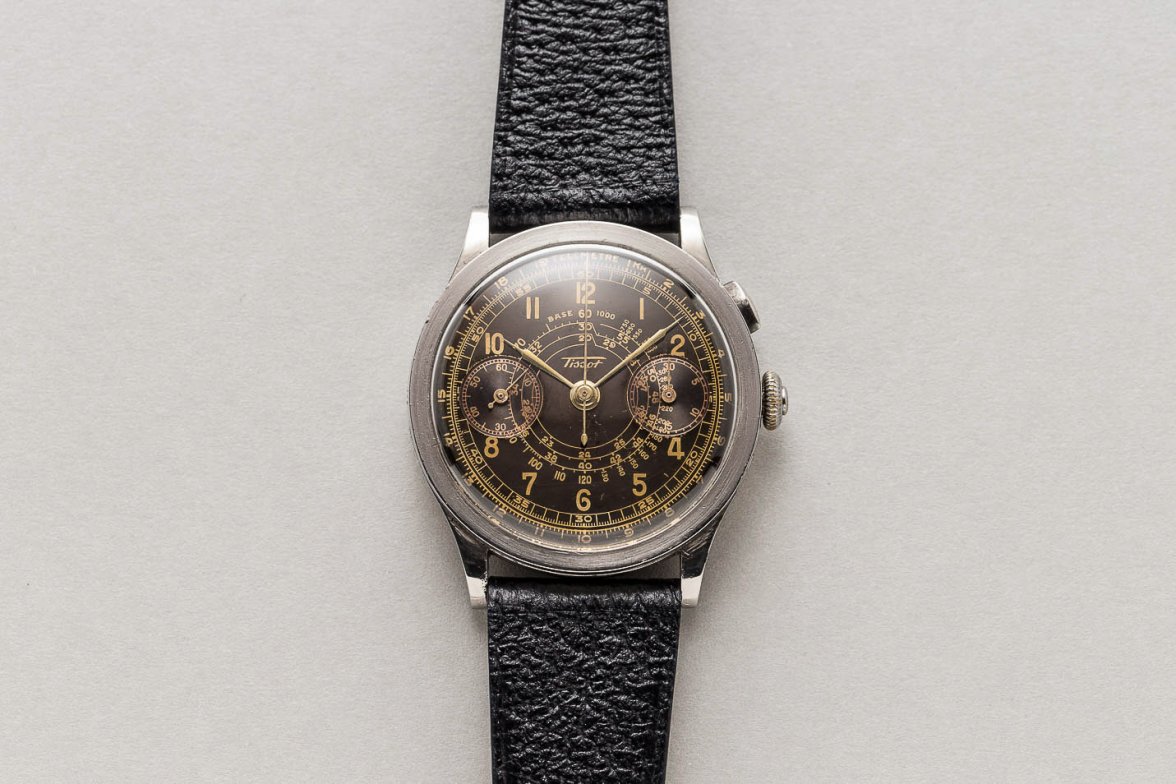
Exactly two years later, in December 2019, a 1940s chronograph came up for auction on eBay. It sold for $4,250 and featured an original 1940s lumed dial and handset…
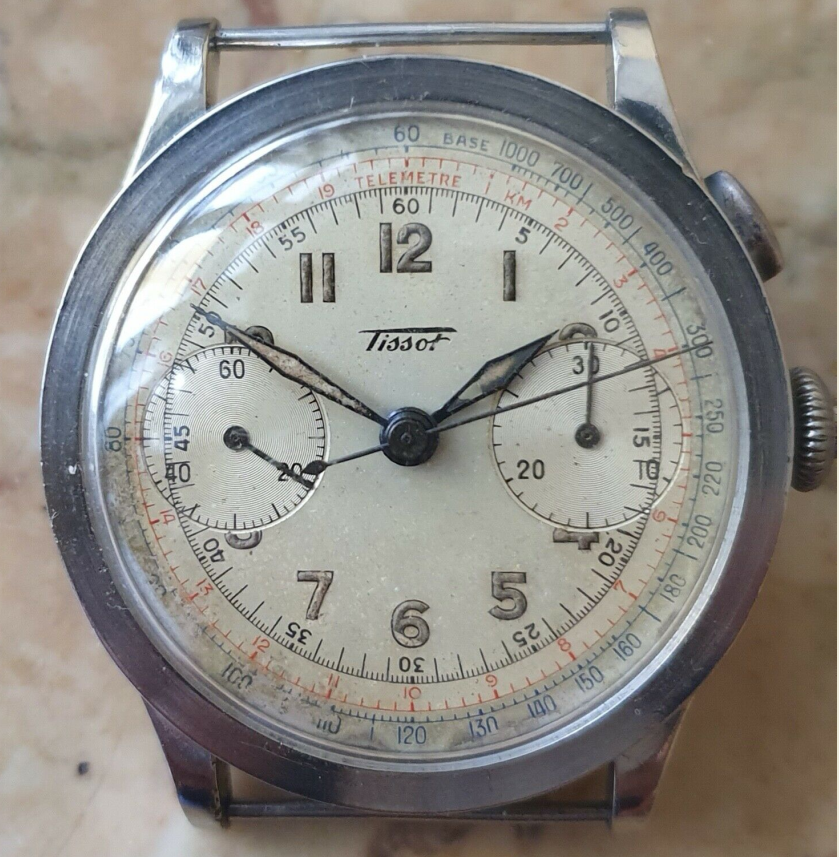
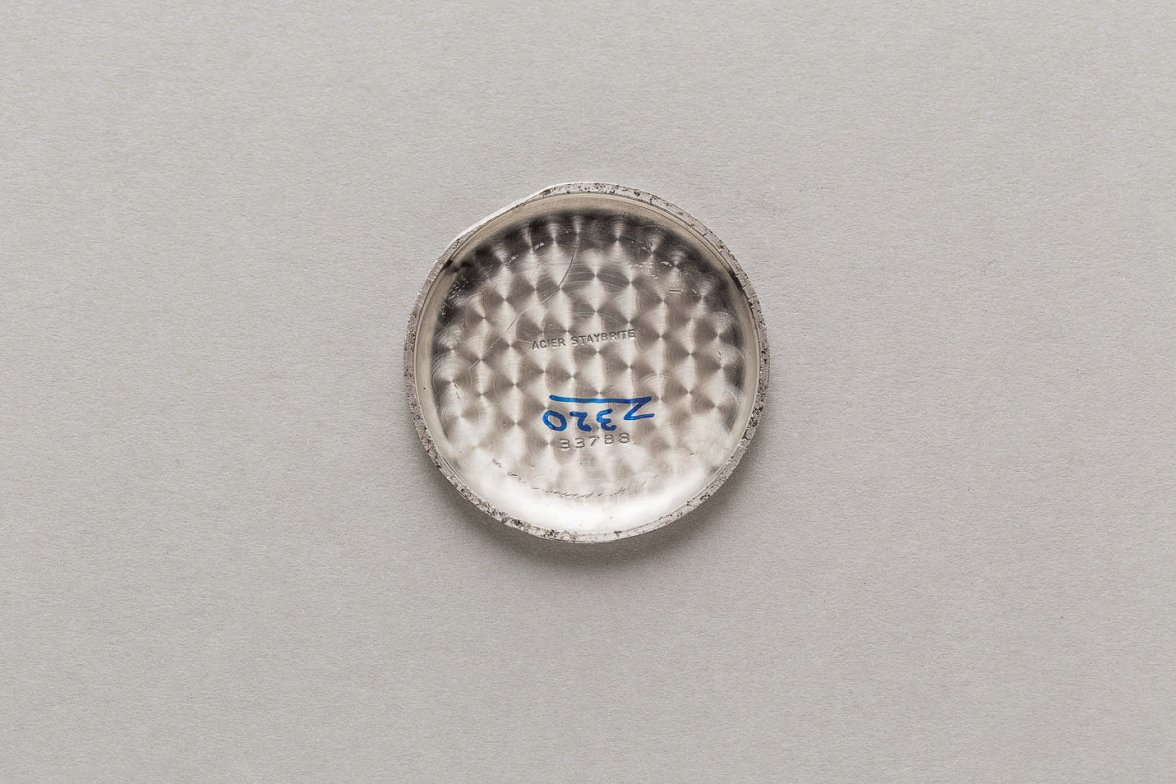
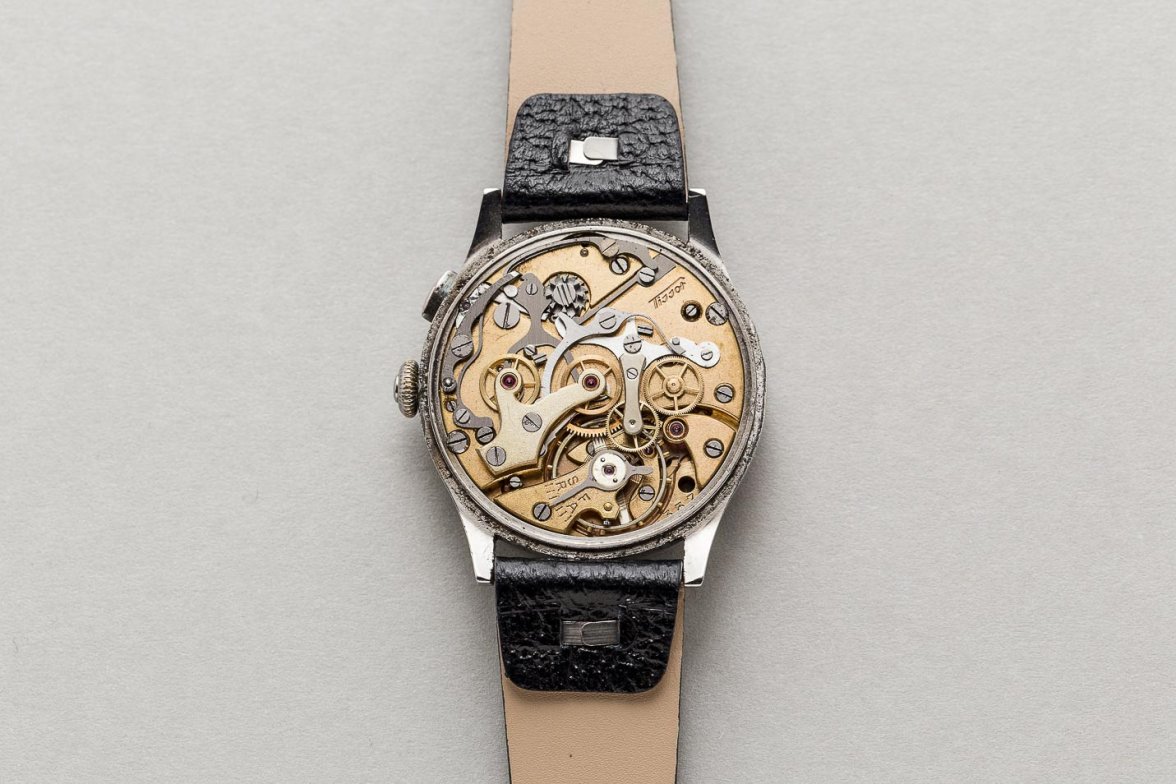
...but that dial and handset were fitted onto that same 1930s movement and case from two years earlier:
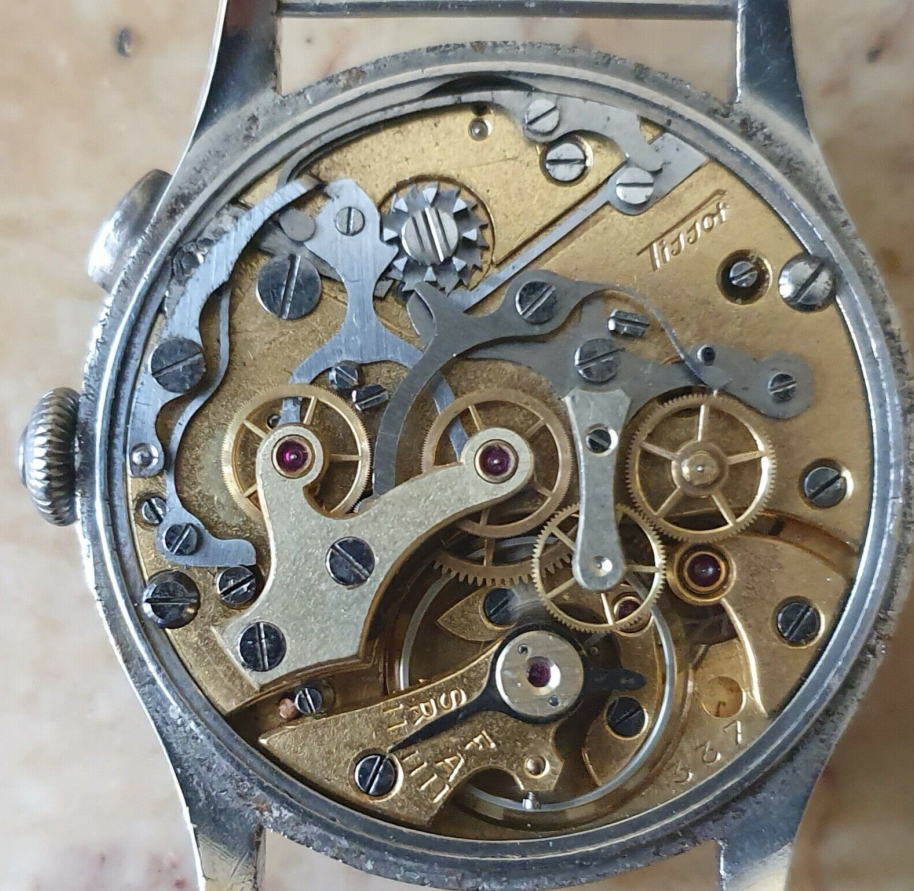
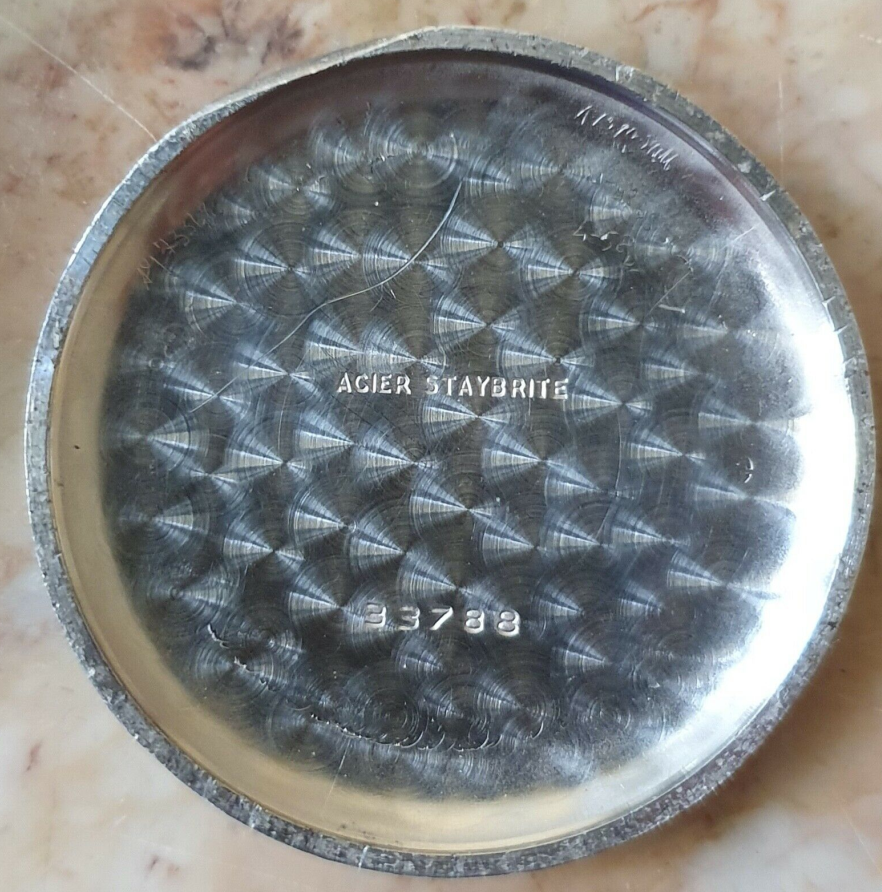
In hindsight I suppose a seasoned Lemania collector might have been able to recognize an early (mid-1930s) movement and realize that the style of the later (1940s) dial did not match the movement. But I didn’t recognize the franken watch until I was in the process of capturing the sales data for my records...and noticed the serial numbers matched a record I already had.
Since there is no way to know when or where or why this particular watch was frankenized, I can only offer this posting as a sort of requiem to the original watch that is now lost forever. 🙁
And as a cautionary tale to newer vintage watch collectors: Do your homework, take notes, keep records, play the long game.
As most collectors of these watches know, there is scant data available in the historical record. There were three different variants of Lemania 15CH movements used over roughly 10 years of production, and it is difficult to know when the different SSIH brands transitioned from one type to another.
However the values on these chronographs can easily reach five-figures, so there is a strong temptation for the unscrupulous to swap out movements and change dials. Without that historical record, who's to say what's been altered?
Your only defense against a frankenized watch is to develop your own records. I do this by routinely archiving pictures and sales of these watches from eBay and other auction sites. As your record develops over time, you can begin to discern patterns in dials and serial numbers from movements and casebacks that can help you to judge whether a watch has been tampered with.
A case in point:
In December 2017, a mid-1930s chronograph featuring an early Lemania 15CHT movement came up as a buy-it-now sale on eBay. The watch featured a slightly-faded dial with Breguet numerals, a red snail tachymeter, telemeter scale, and lovely moon hands set inside a steel coin-edge case (although the winding crown/pusher was likely not original):
The caseback serial 33788 and movement number 337 suggest an early production watch, probably 1935-1937. The style of the dial closely matched other watches with similar serials, indicating the dial was likely original to the watch.
Exactly two years later, in December 2019, a 1940s chronograph came up for auction on eBay. It sold for $4,250 and featured an original 1940s lumed dial and handset…
...but that dial and handset were fitted onto that same 1930s movement and case from two years earlier:
In hindsight I suppose a seasoned Lemania collector might have been able to recognize an early (mid-1930s) movement and realize that the style of the later (1940s) dial did not match the movement. But I didn’t recognize the franken watch until I was in the process of capturing the sales data for my records...and noticed the serial numbers matched a record I already had.
Since there is no way to know when or where or why this particular watch was frankenized, I can only offer this posting as a sort of requiem to the original watch that is now lost forever. 🙁
And as a cautionary tale to newer vintage watch collectors: Do your homework, take notes, keep records, play the long game.