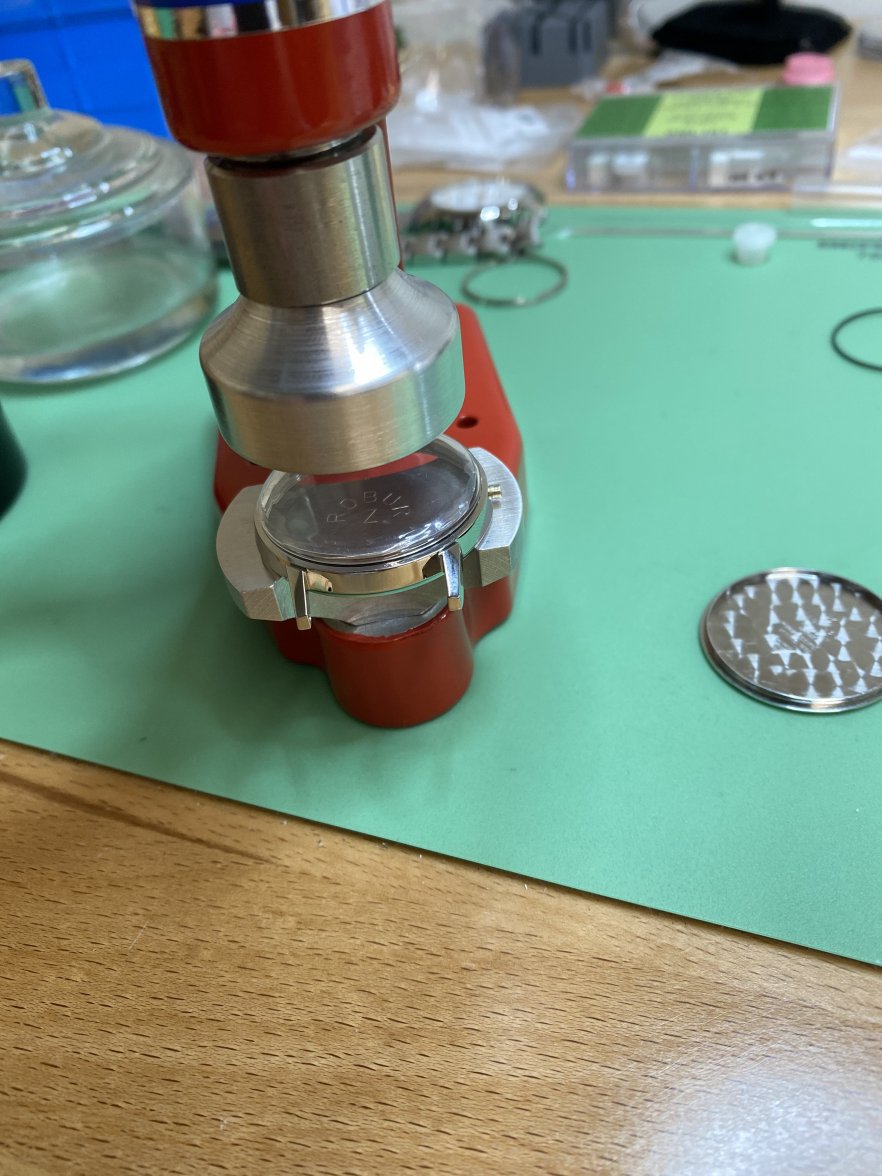
1965 Omega Seamaster 600 135.011

Posts
195
Likes
492
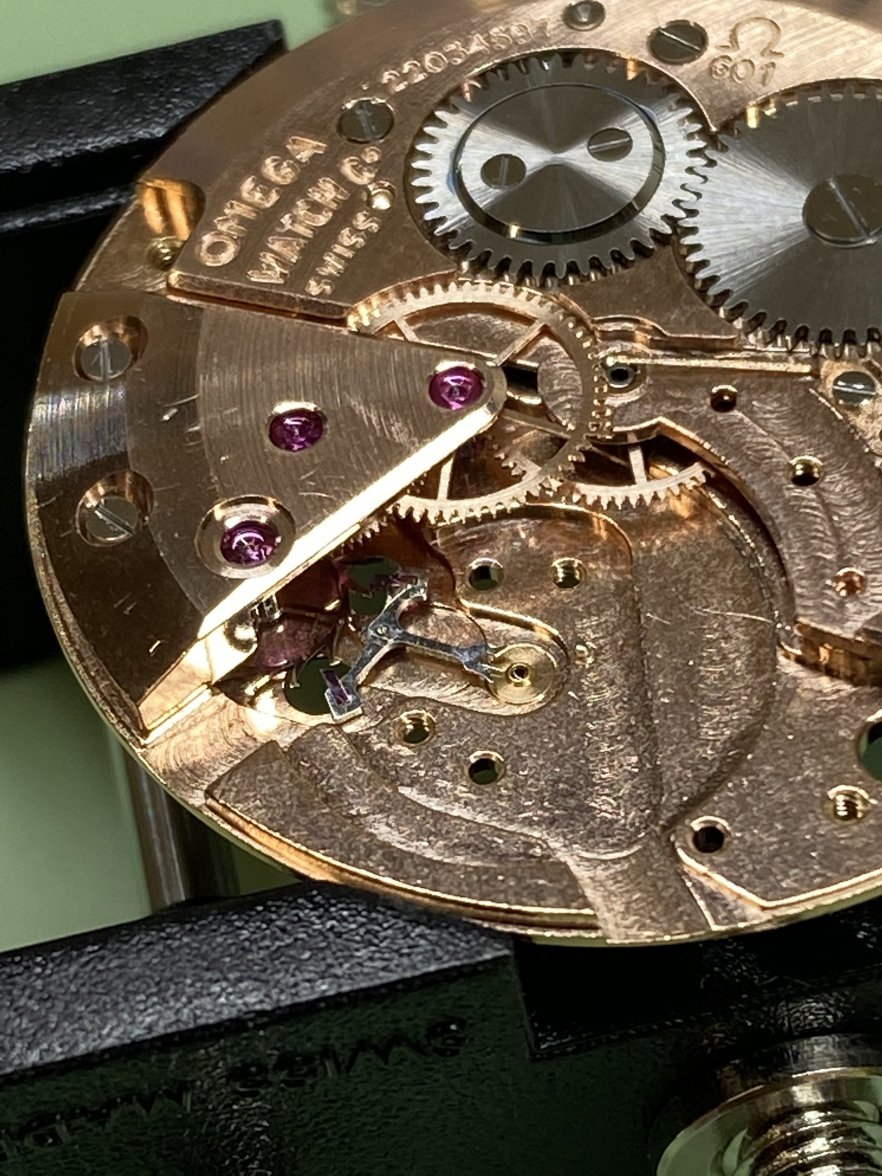
As I progress through my watchmaking education journey, I’ve had people I know request repair and work. A lot of it is cheap watches that need batteries or other simple work. Sometime I get something a lot nicer. This Seamaster is owned by someone I know through work. It runs very poorly. It was overhauled by a different watchmaker 18 months ago.
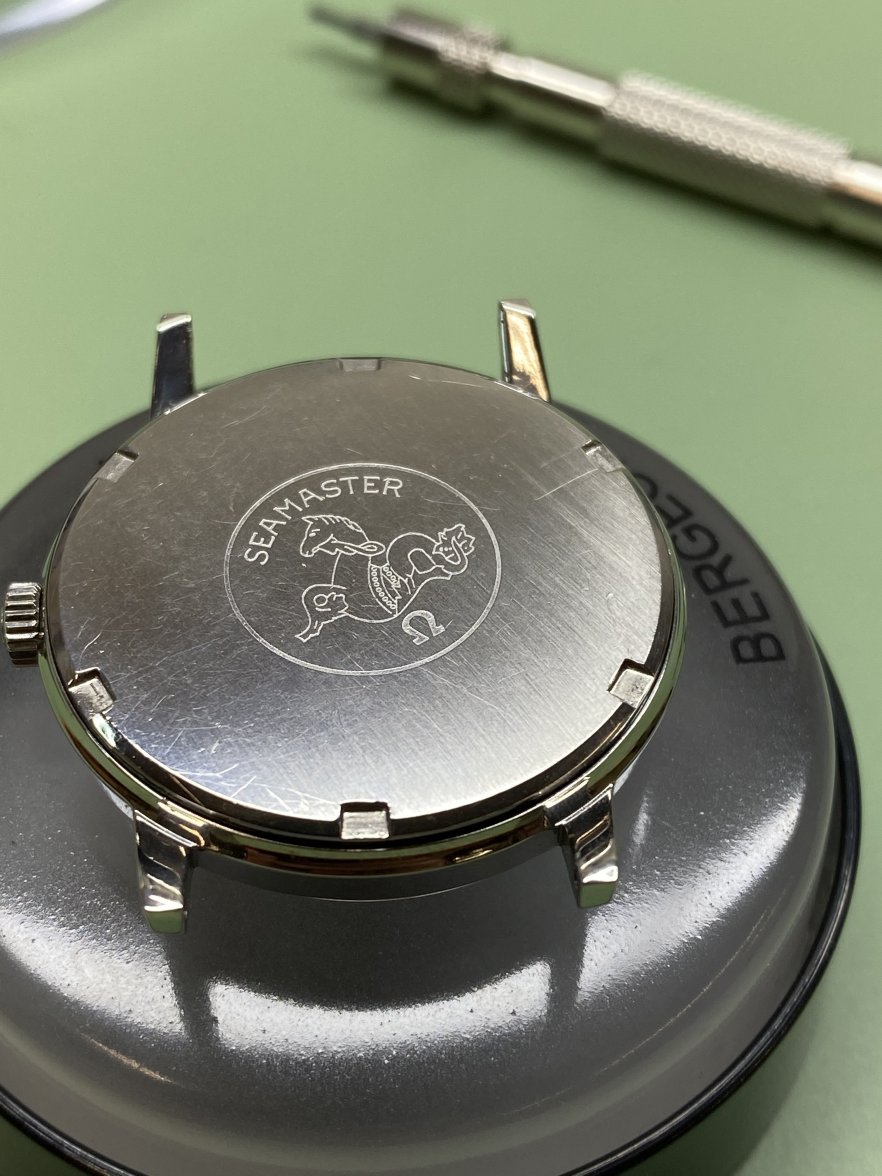
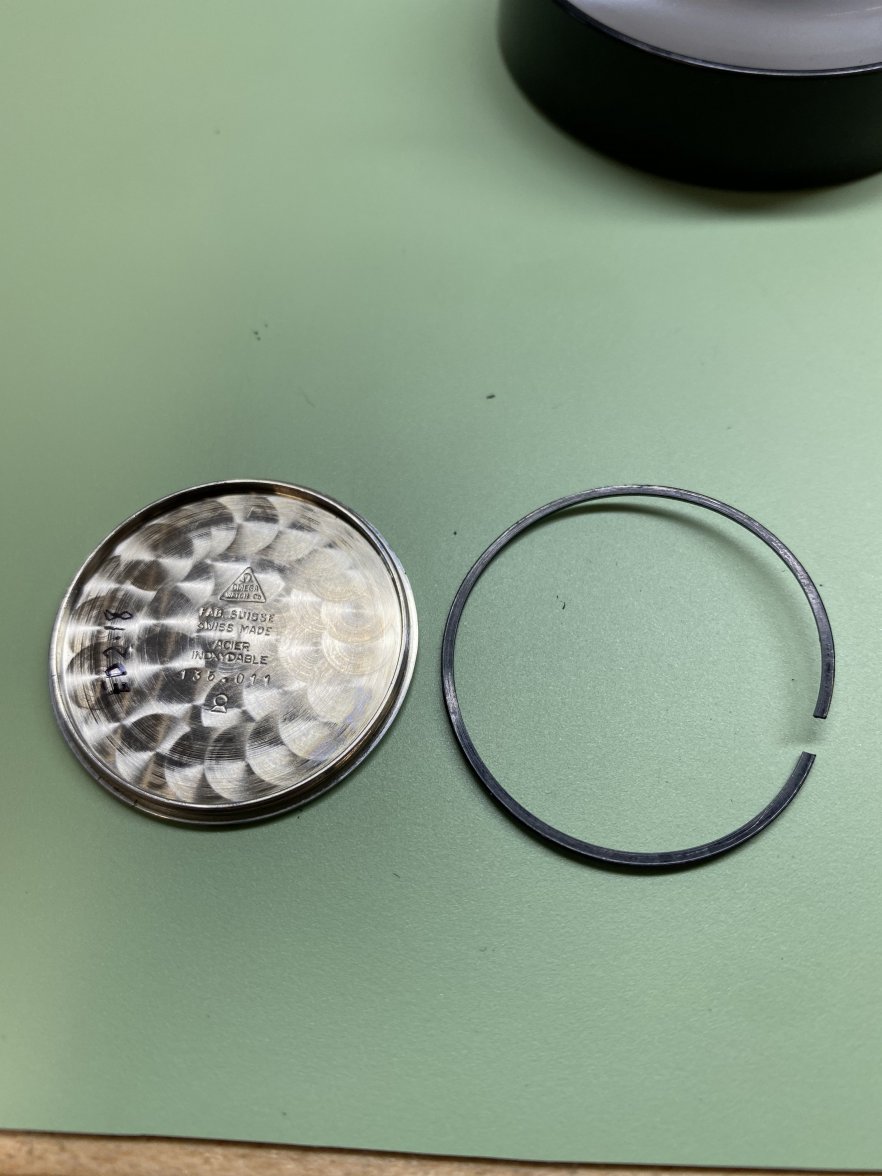
First problem: the case back gasket is hardened and split.

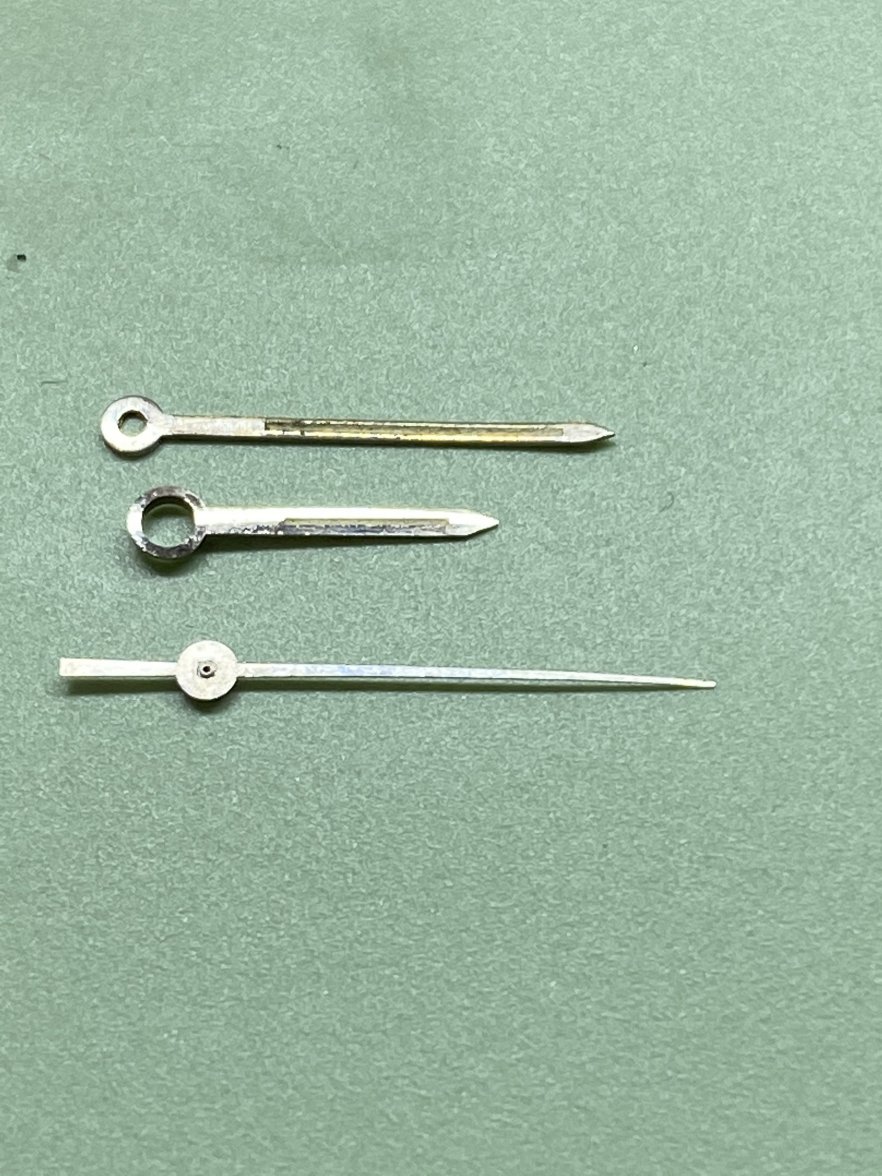
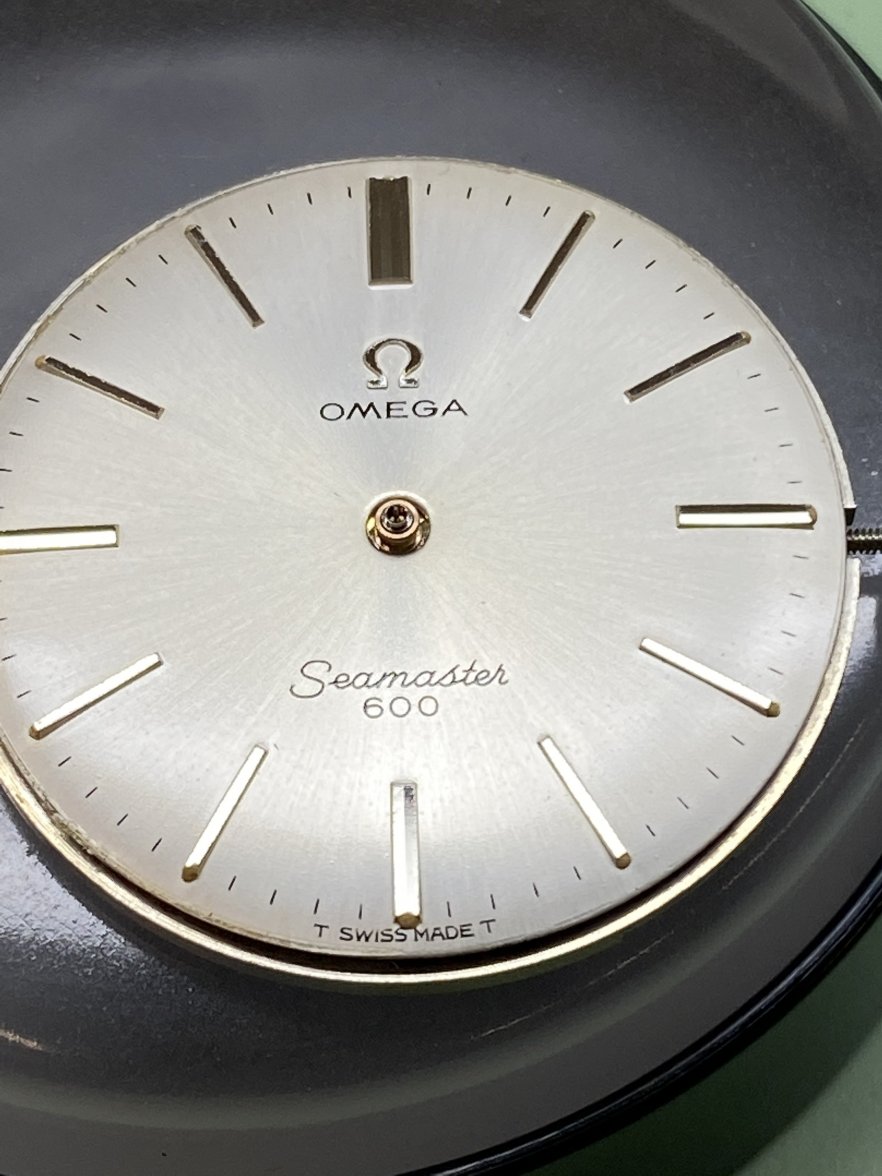
After the movement is removed from the case, the hands and dial come off. There is some corrosion on the hands.
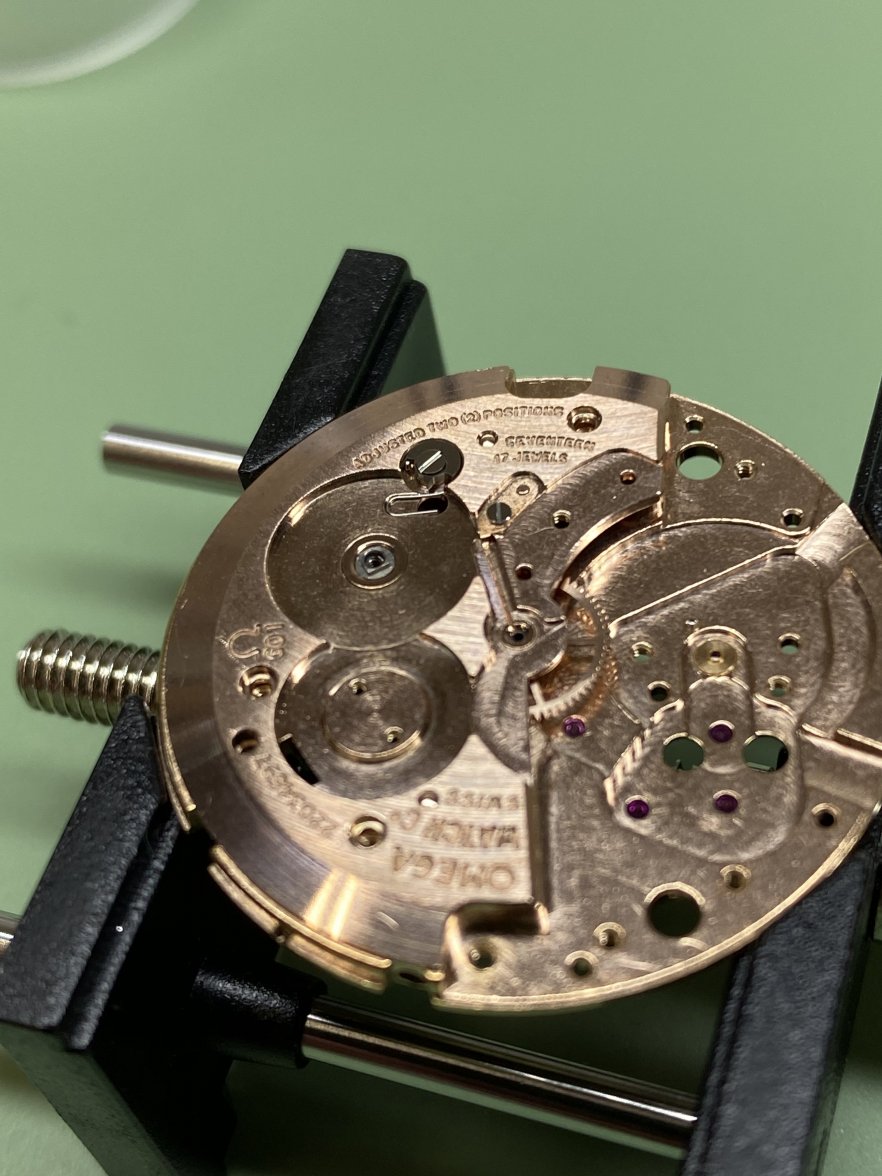
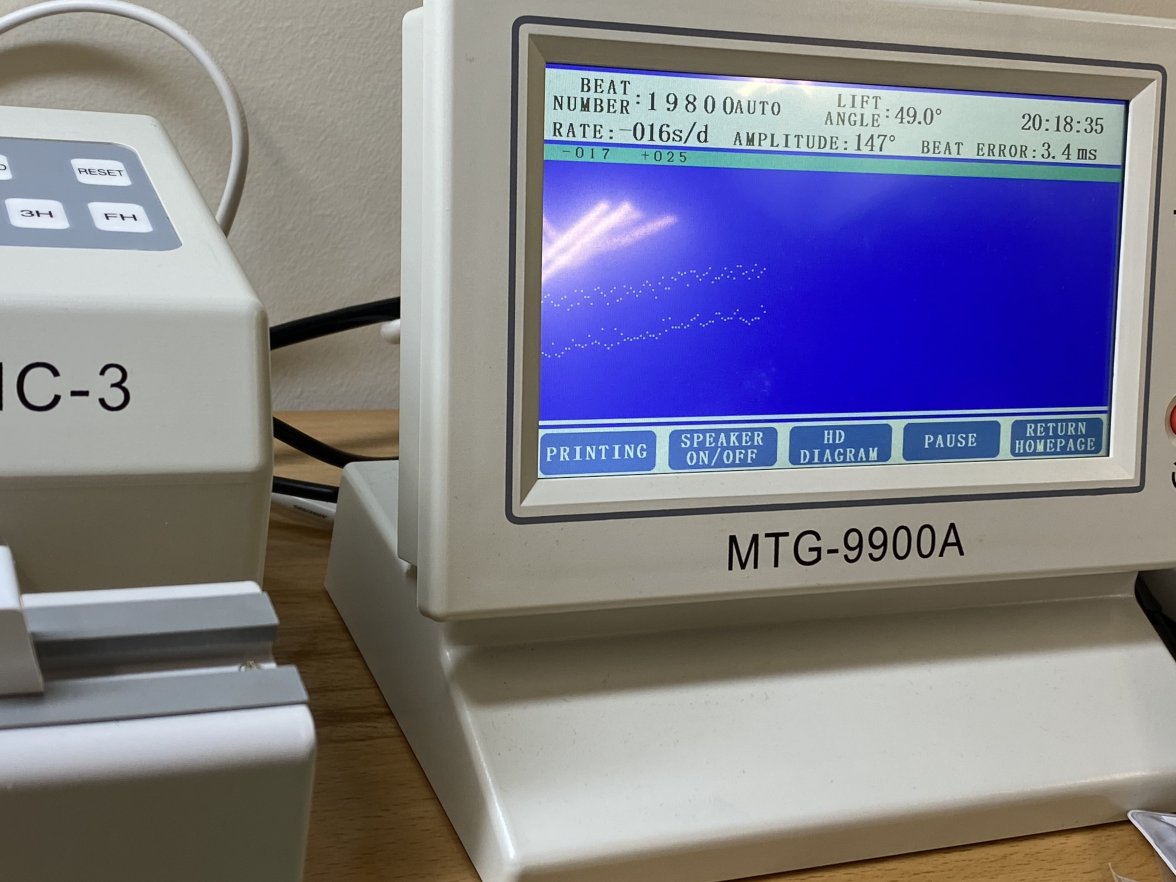
The movement runs around 150 degrees amplitude with a pretty rough traced at full wind.

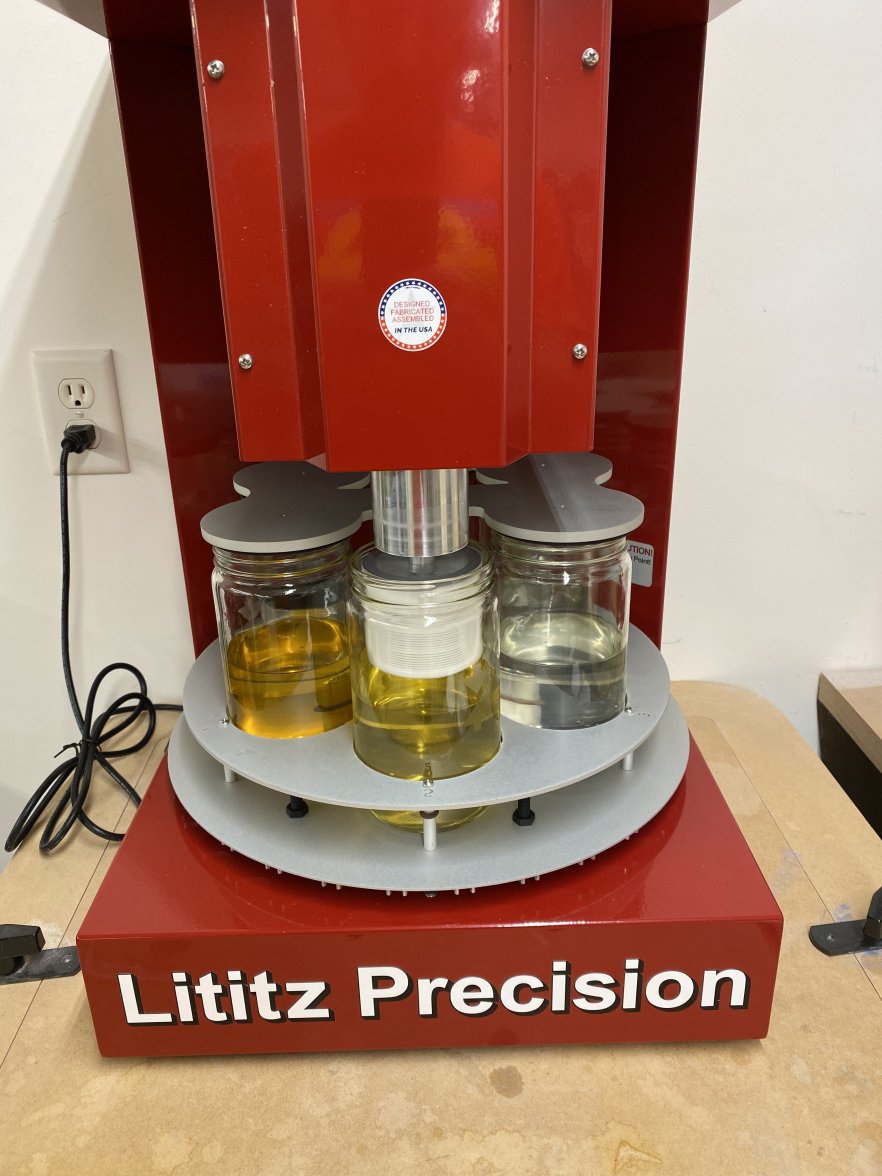
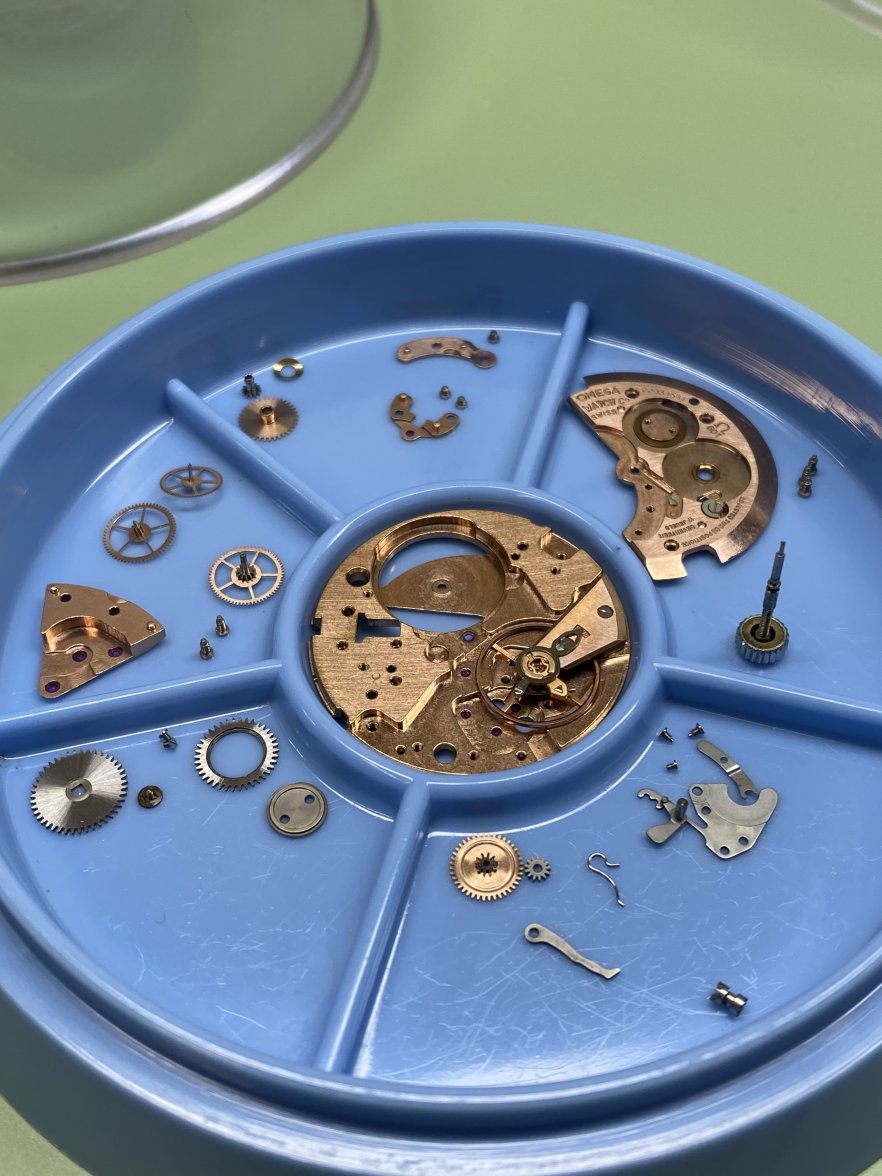
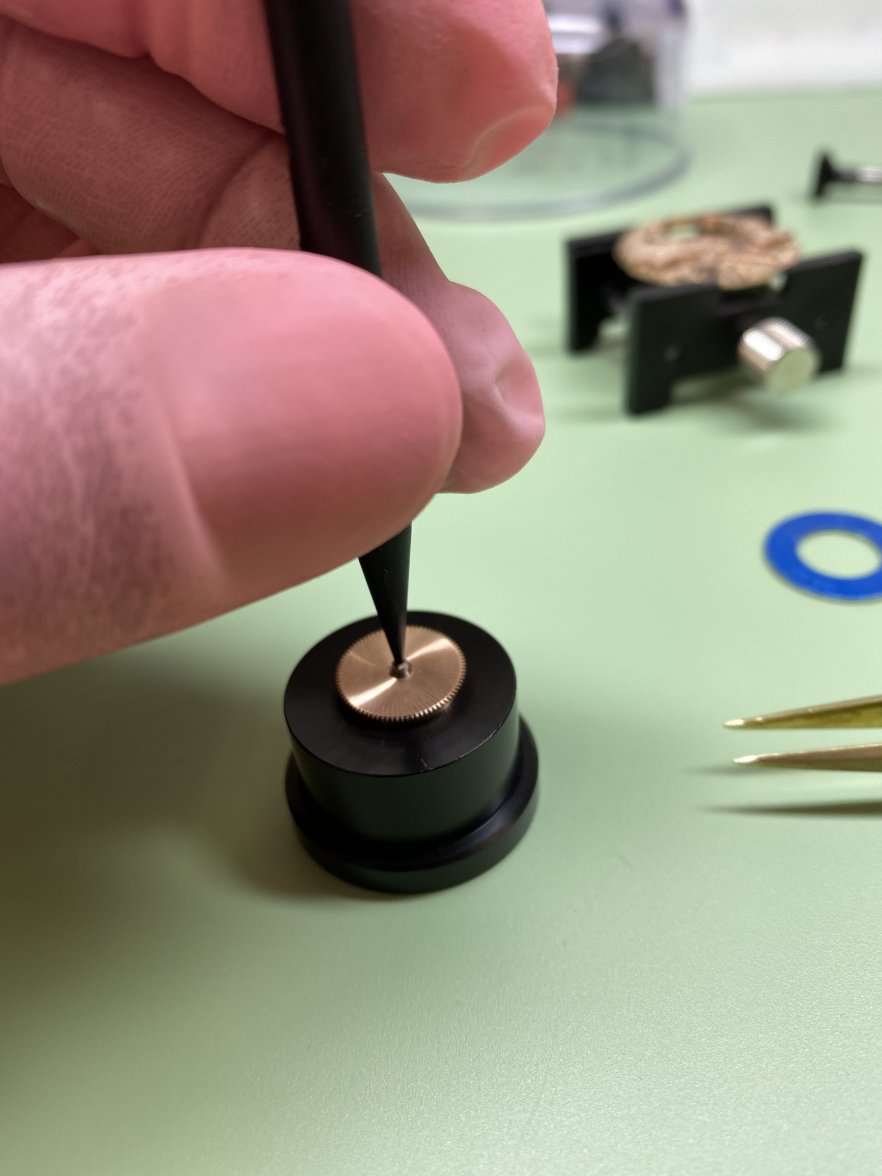
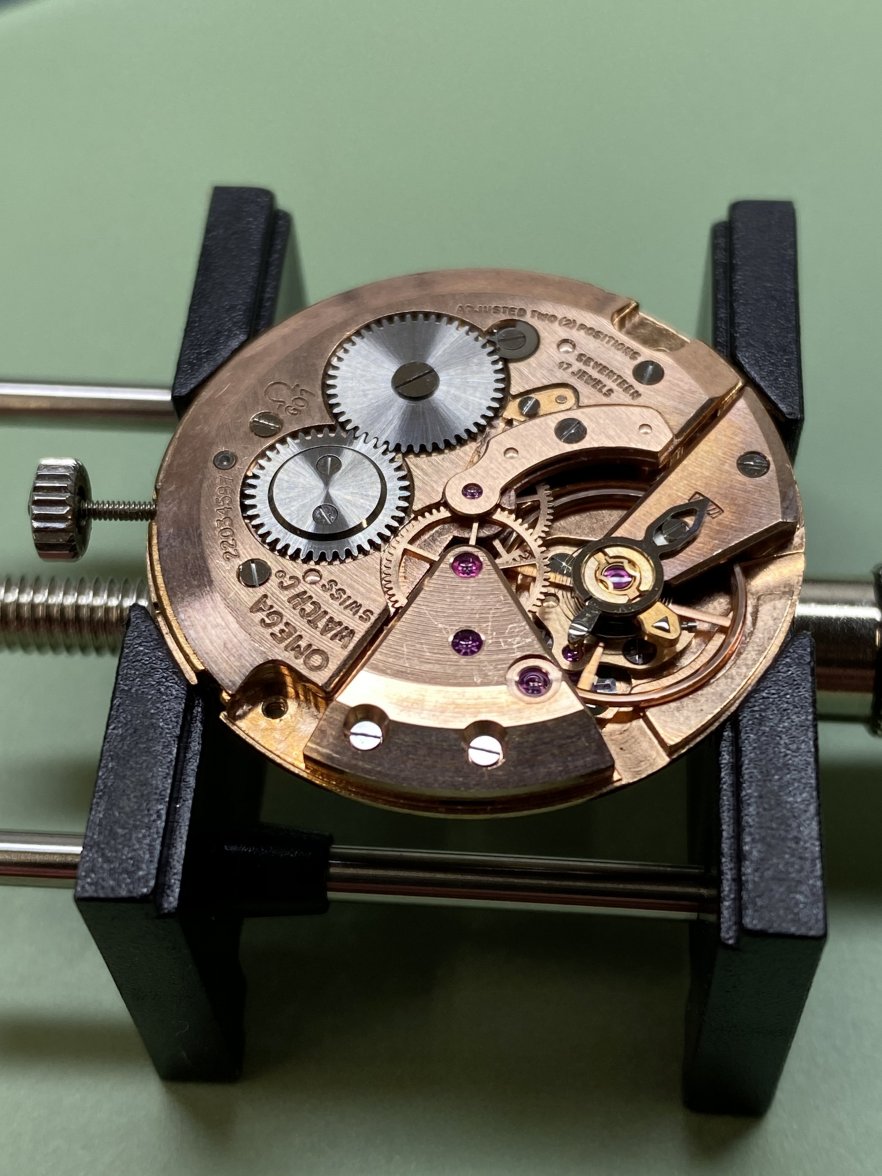
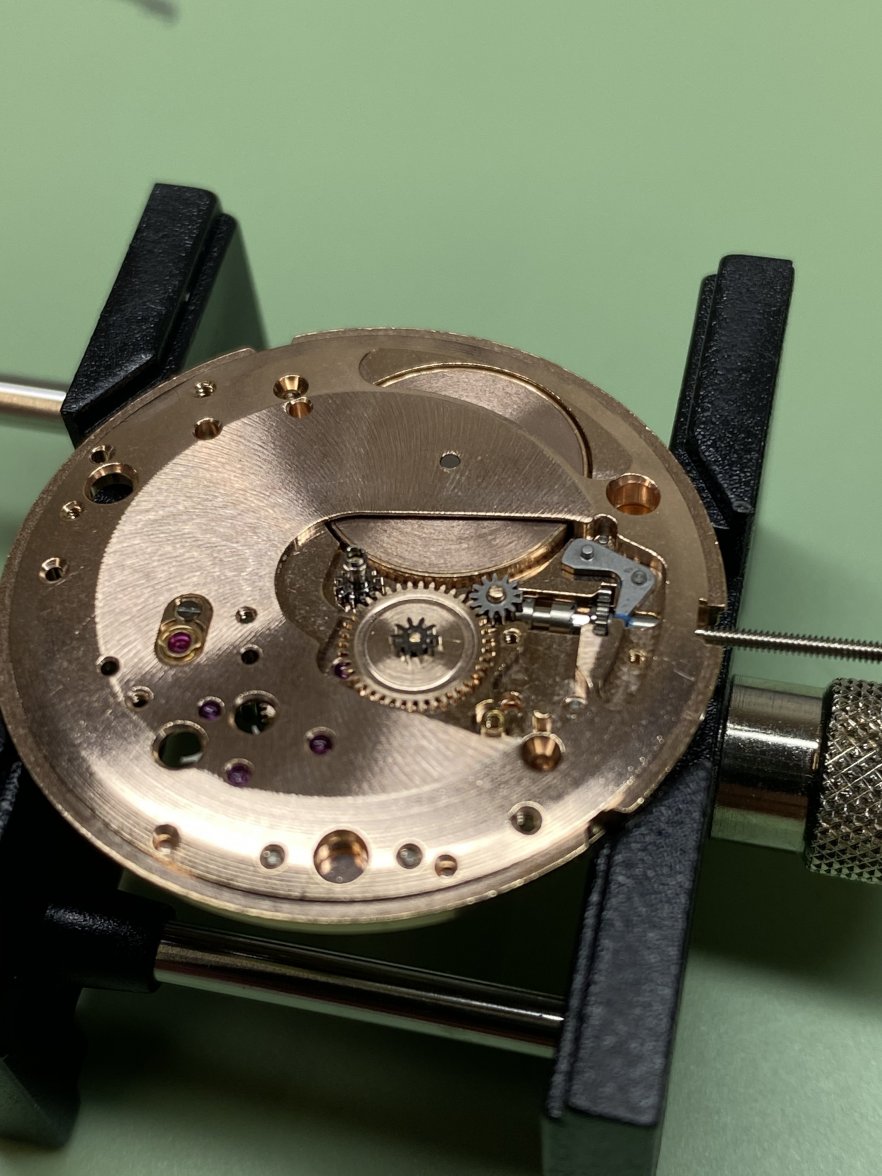
Next, the mainspring is let down, and the whole movement is pre-cleaned.


More soon.
 
Posts
17,932
Likes
37,493
It looks like you pre-clean the complete movement.
Is there any reason for this?
 
Posts
195
Likes
492
It’s what we do in the watch classes I’ve taken. It’s a Rolex thing. It allows you to check endshakes during disassembly. If it isn’t pre-cleaned the old dried lubricant can give you a false sense of how much endshake there is.
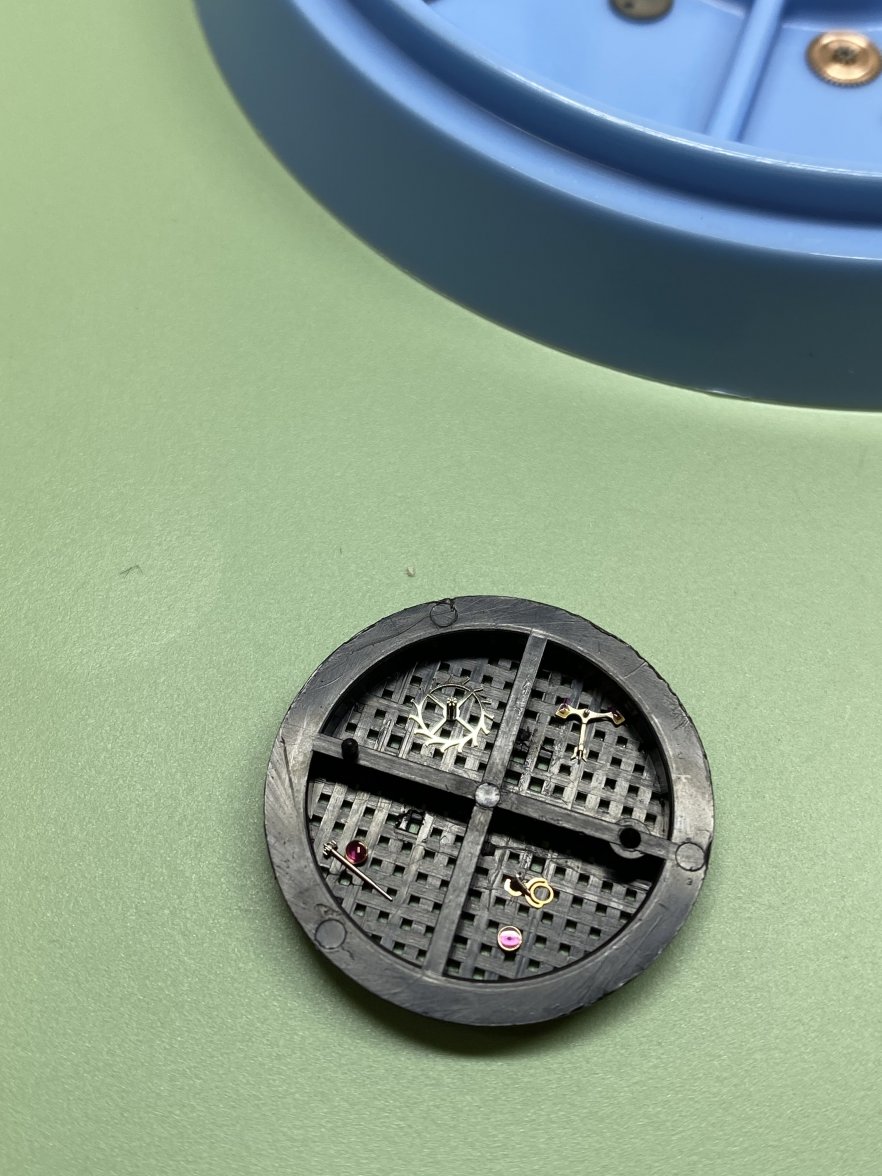
I also inspect all of the parts with a 10x loupe or microscope during disassembly as well. The idea is if you need to adjust or replace anything it is done before the full clean. You want to handle things as little as possible after they come out of the cleaning machine during the assembly of the movement. The cleanest the parts ever will be is right after they come out of the cleaning machine.
 
Posts
29,662
Likes
76,816
It’s a Rolex thing.

Yep - pretty much no one else does this but Rolex. One reason they specifically mention end shakes in their reasoning for this, is that Rolex are notorious for not adjusting them properly in production, so this is more of an issue with Rolex movements than with others since they frequently require adjusting during service. For me personally, it's not something I do. If in the odd instance I have to adjust end shakes and there's a need to clean the parts, I'll just run them through the cleaner again.

There is IMO a specific drawback to pre-cleaning, and seeing the debris in various places inside the movement can give you hints of things you need to specifically look at once the movement is apart. So for me, pre-cleaning is washing away evidence of things that I may want to see, so it's never made sense...
 
Posts
195
Likes
492
There is IMO a specific drawback to pre-cleaning, and seeing the debris in various places inside the movement can give you hints of things you need to specifically look at once the movement is apart. So for me, pre-cleaning is washing away evidence of things that I may want to see, so it's never made sense...

I can certainly see the advantages of seeing the actual state of the movement during disassembly. The other possible issues is grease from automatic mainspring barrels that might come out during the pre clean and contaminate the cleaning solution. With modern barrels the grease seems to stay put during the pre-clean.
 
Posts
29,662
Likes
76,816
I can certainly see the advantages of seeing the actual state of the movement during disassembly. The other possible issues is grease from automatic mainspring barrels that might come out during the pre clean and contaminate the cleaning solution. With modern barrels the grease seems to stay put during the pre-clean.

Pre cleaning in a professional setting is usually done with a separate machine that is set aside specifically for the first cleaning, so the cleaning of the disassembled movement would be done in another machine with it's own set of solutions. Personally I always clean the mainspring barrel grease out at the bench using some alcohol before running the barrel though the cleaning machines, as it does contaminate the solutions.

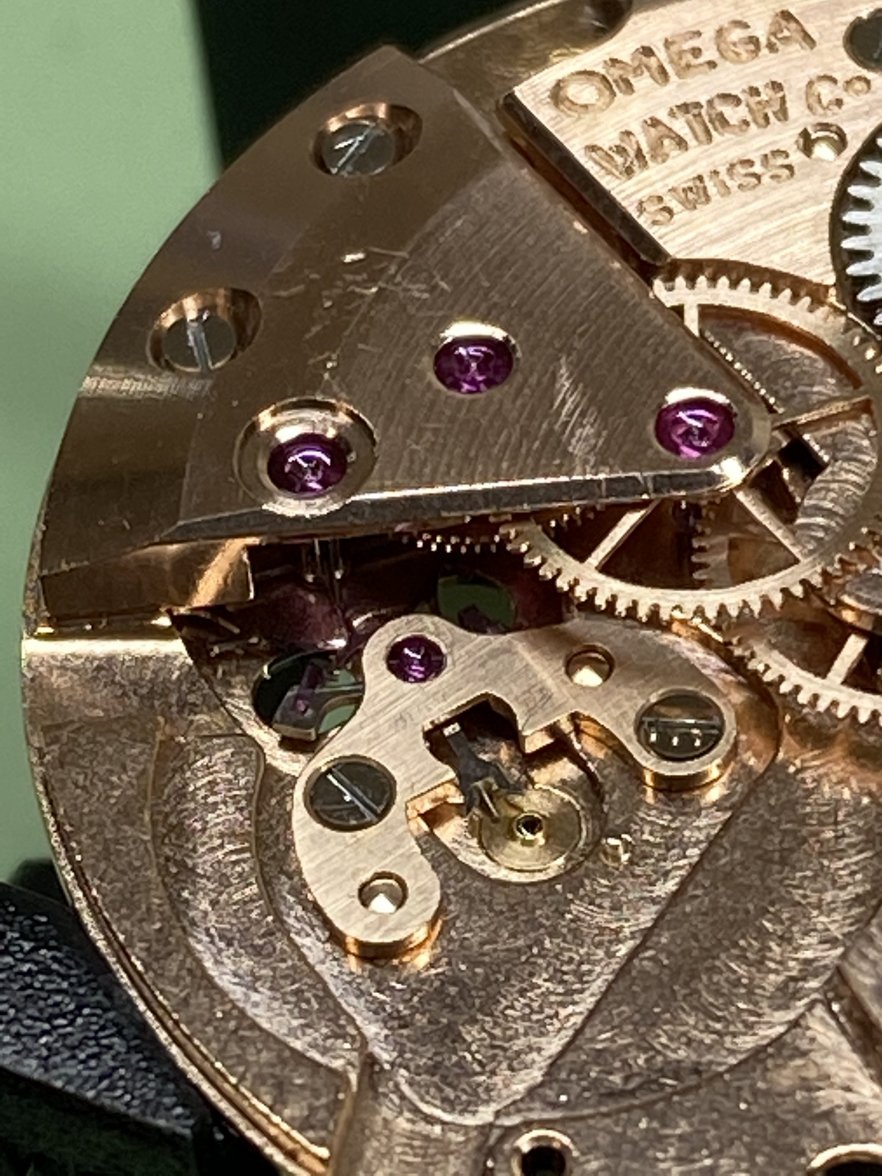
Seeing the debris is often very helpful, and here's an example. Upon inspecting a movement that I was disassembling I saw this at the escapement:


Here you can see debris at the pallet fork horn:


And on the roller table:


This would have been washed away in pre cleaning...and in the end the damage to the fork was slight enough there's a chance it may have been missed - you can see the wear here:


Cheers, Al
 
Posts
195
Likes
492
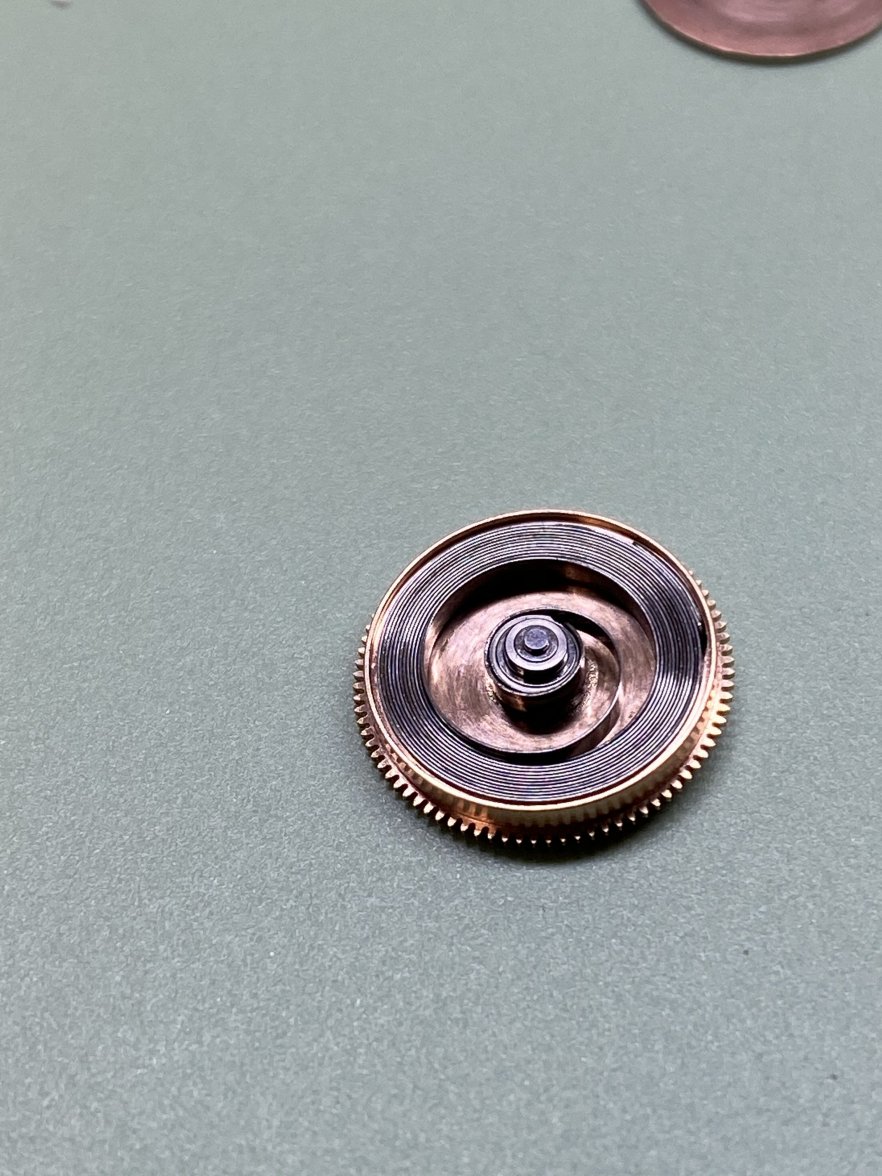
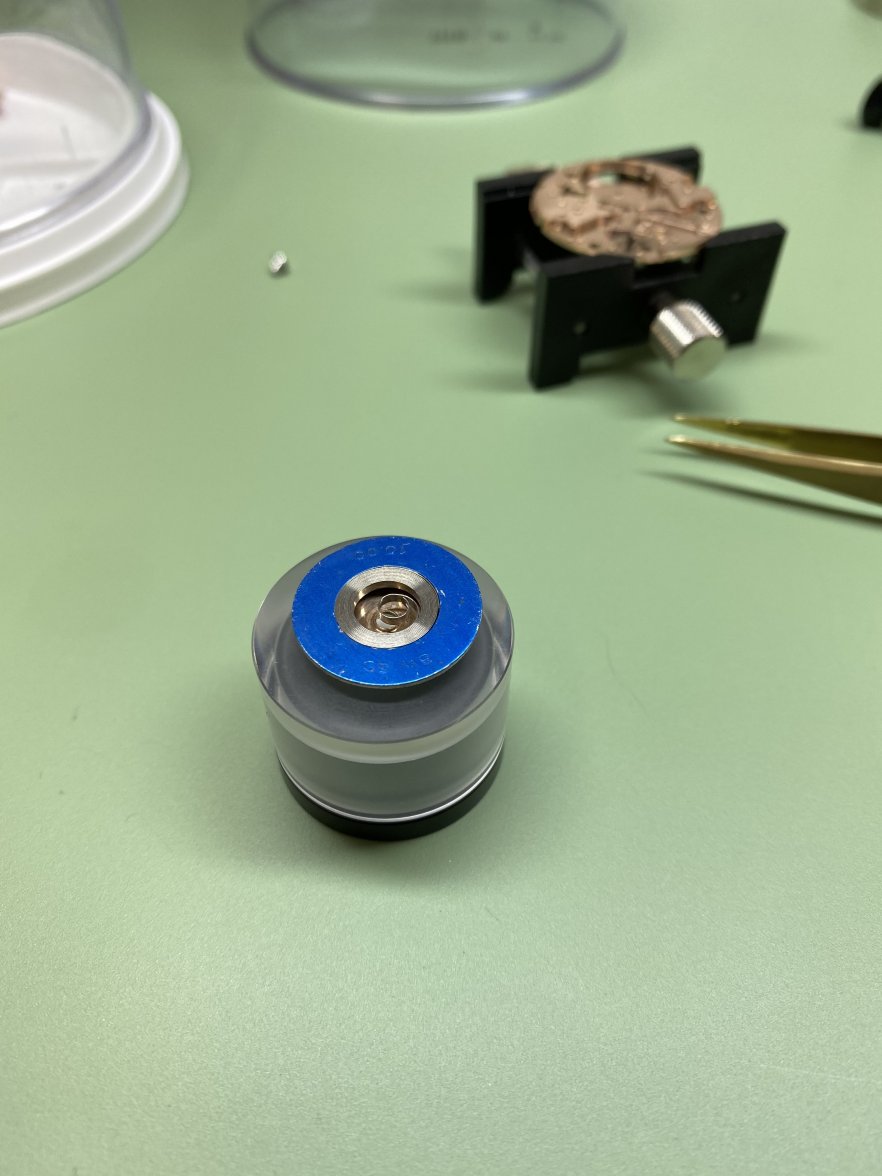
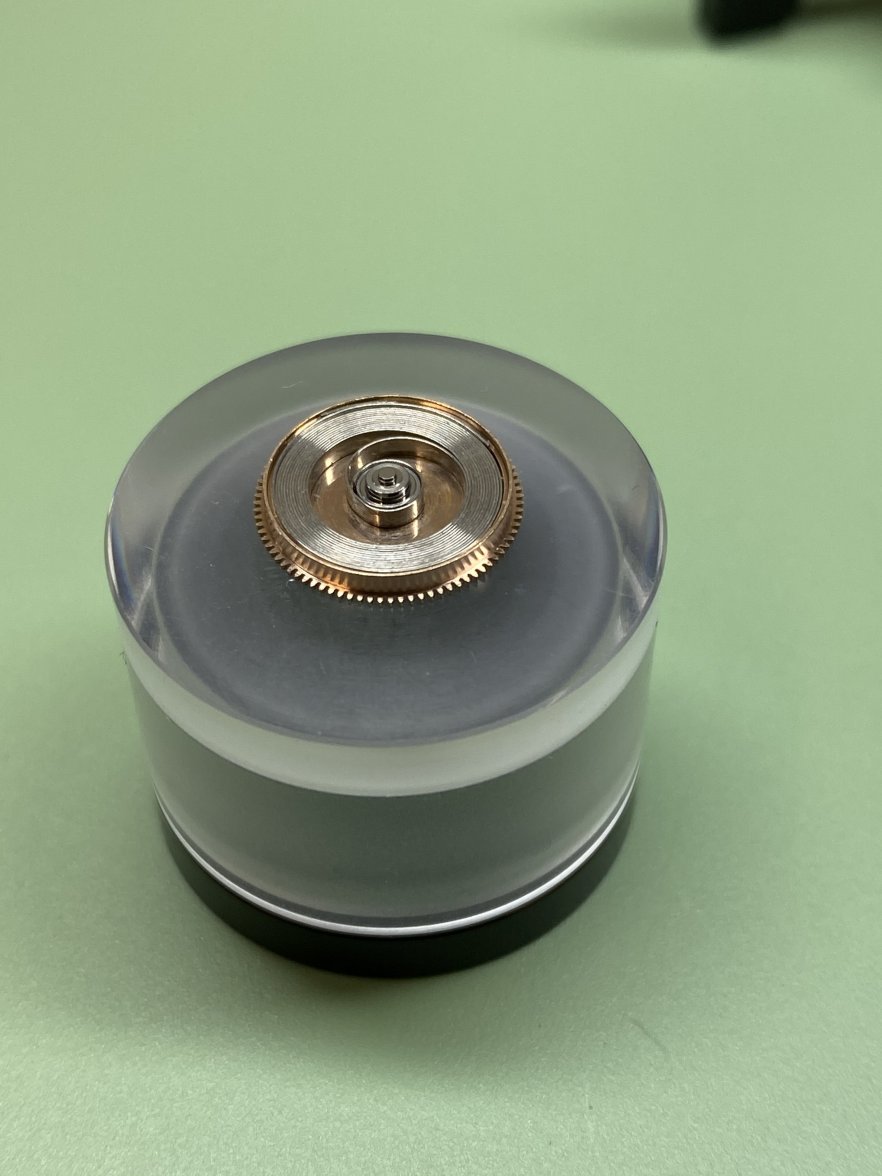
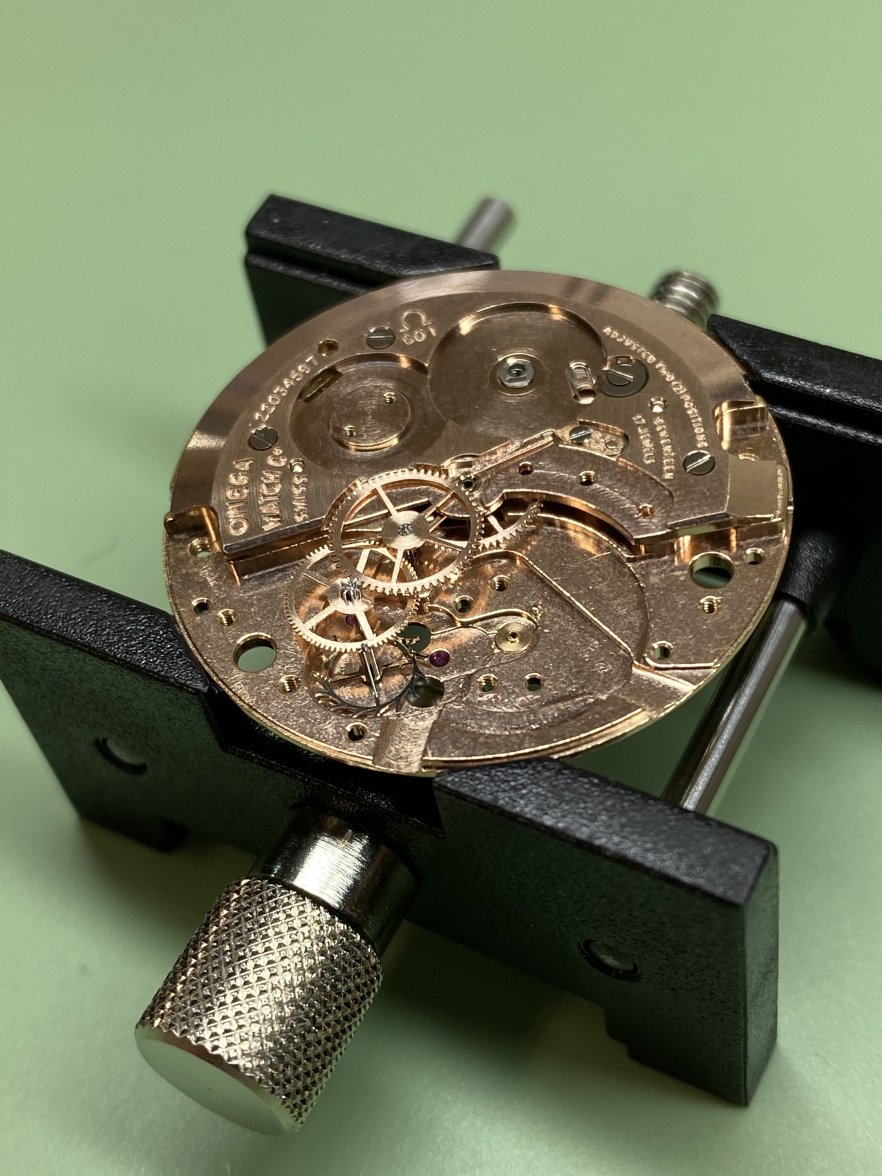
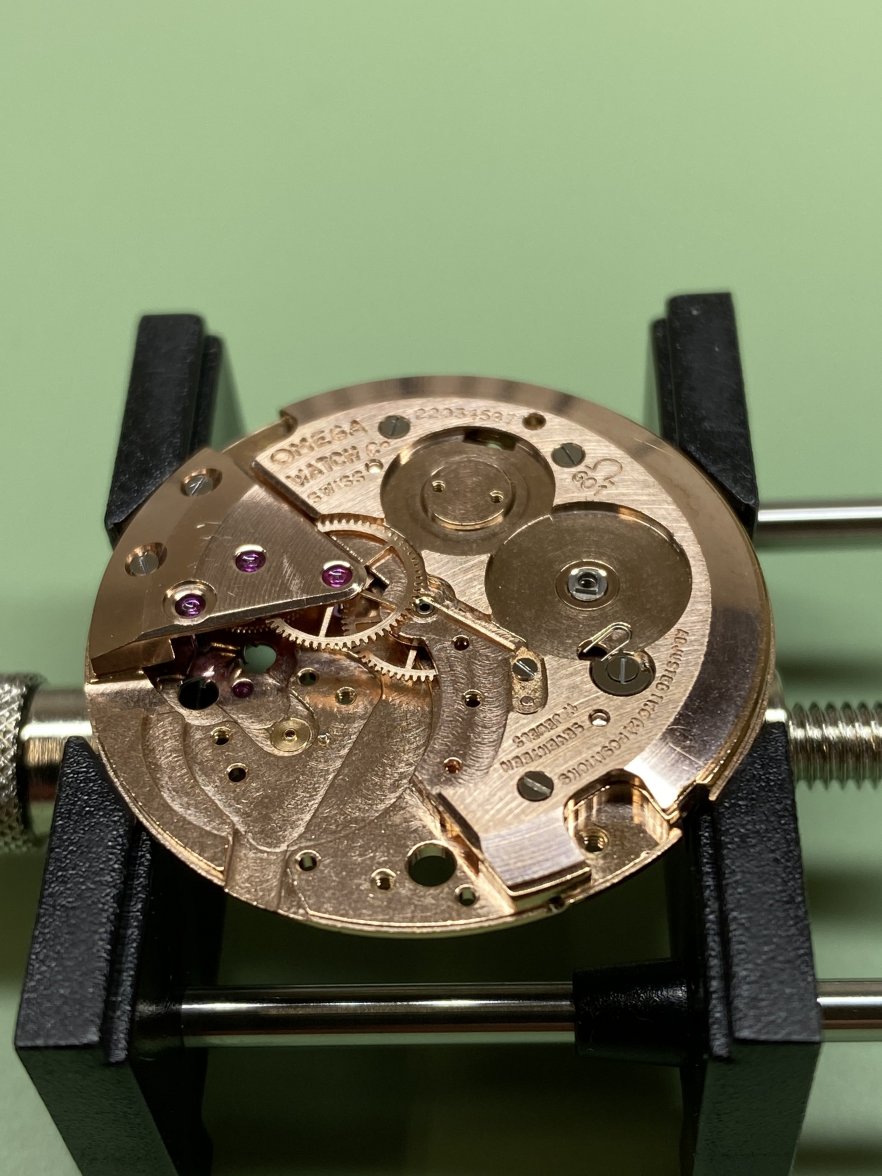
New mainspring installed, end shake of barrel checked.

Movement rebuilt and oiled.

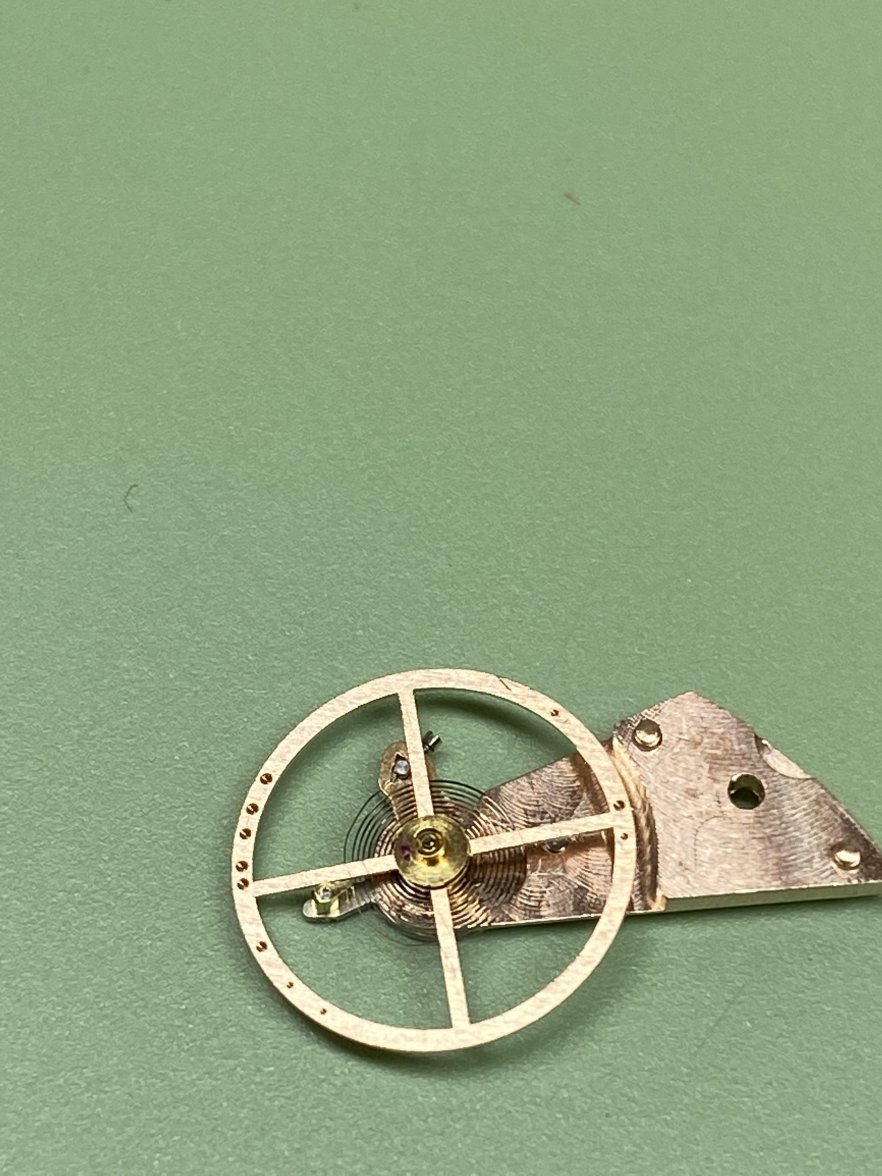
It looks like a lot of poising work was done to the balance, but maybe this is normal for a balance from this era?

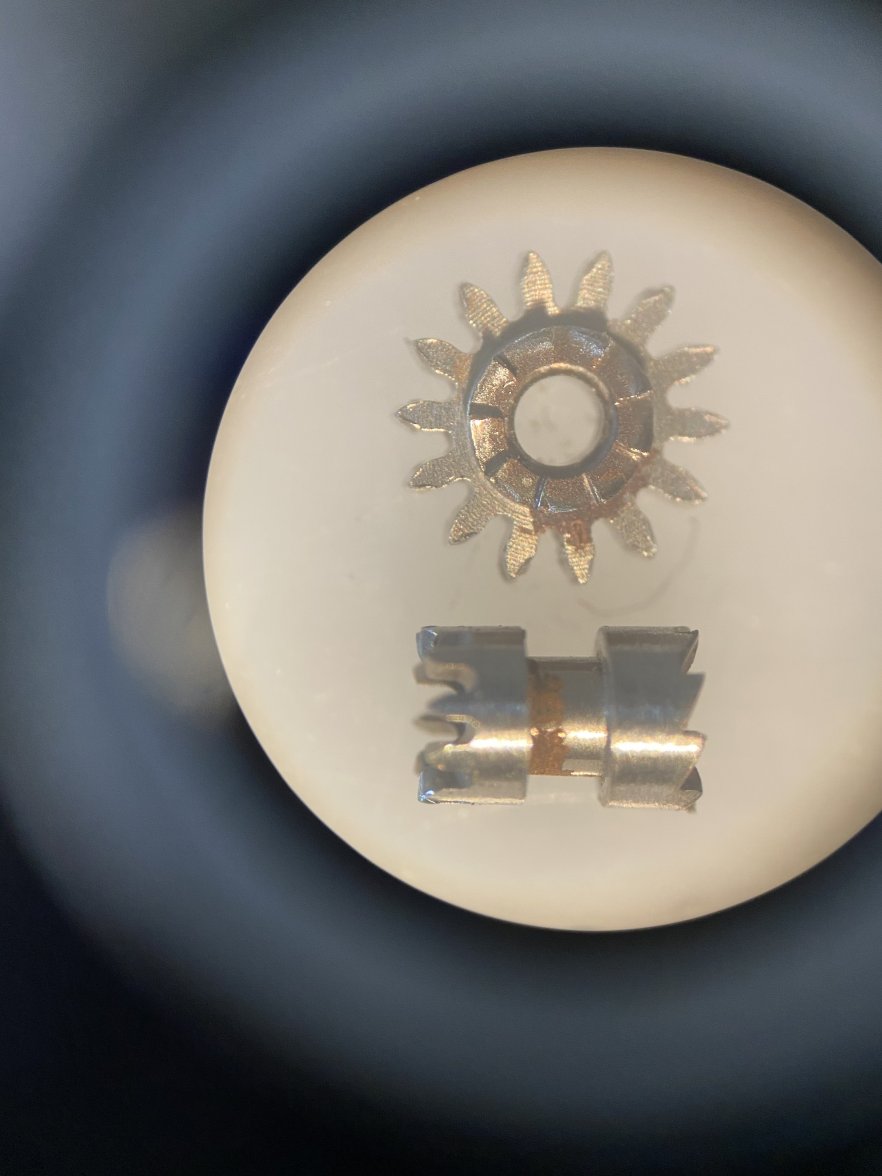
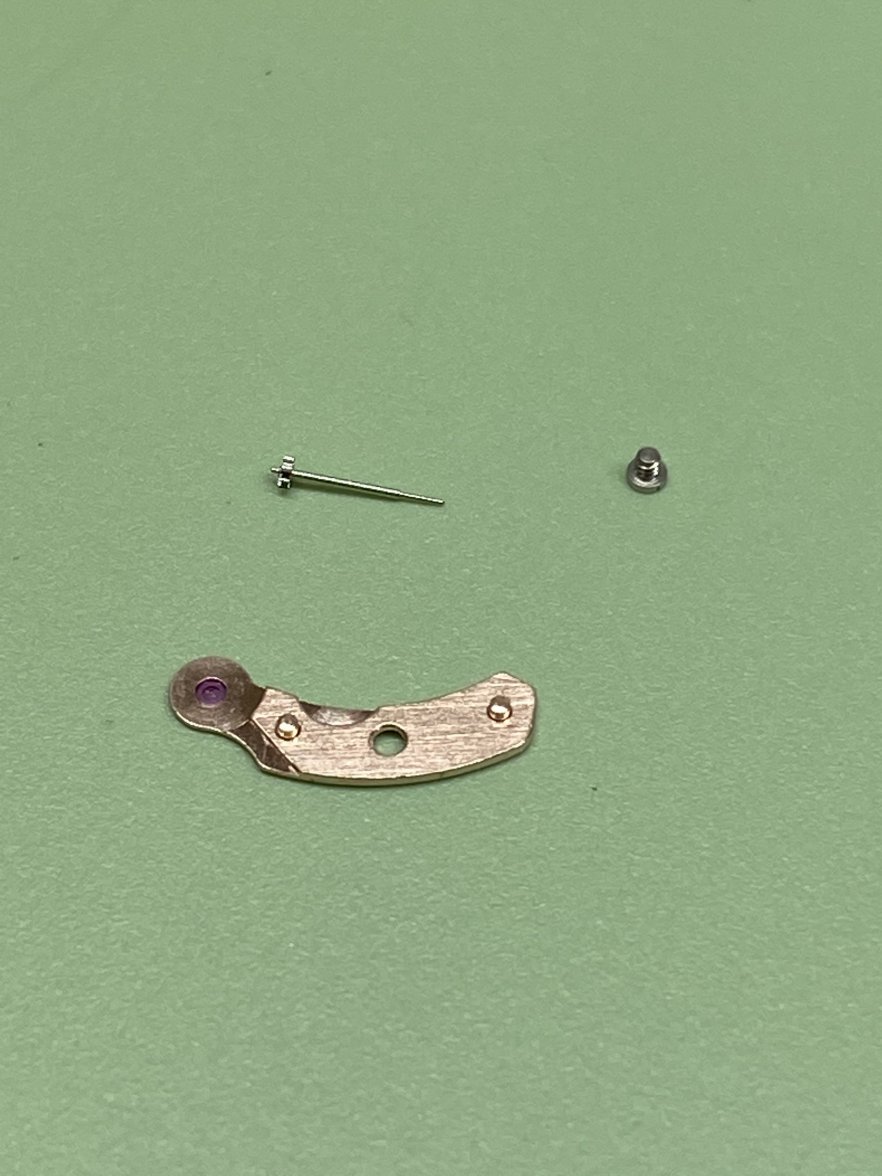
The seconds pinion and it’s bridge:

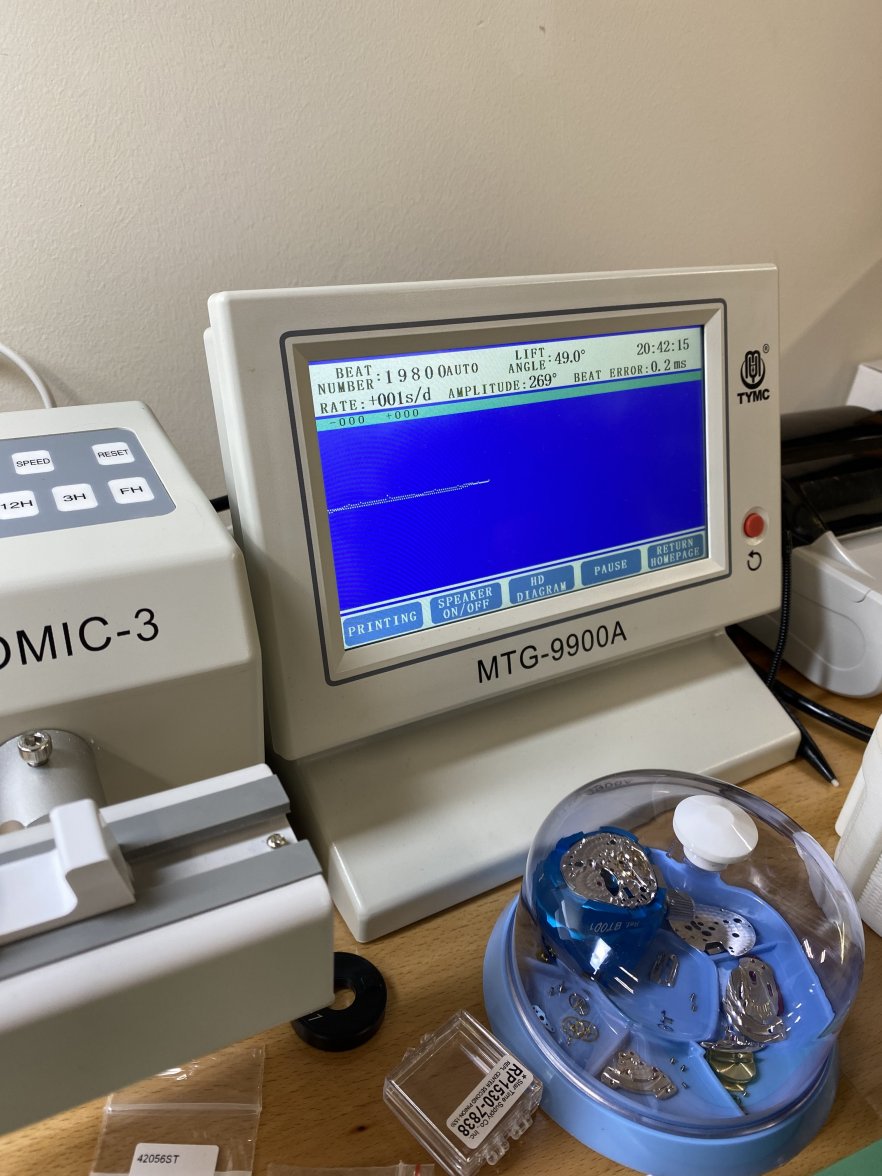
After the movement is up and running, it is run for 5 minutes dial up and 5 minutes dial down to wear the epilame off the pallet jewels, making a little channel that will hold the lubricant. The escapement is lubricated and then checked under the microscope. Initial timing looks much better:

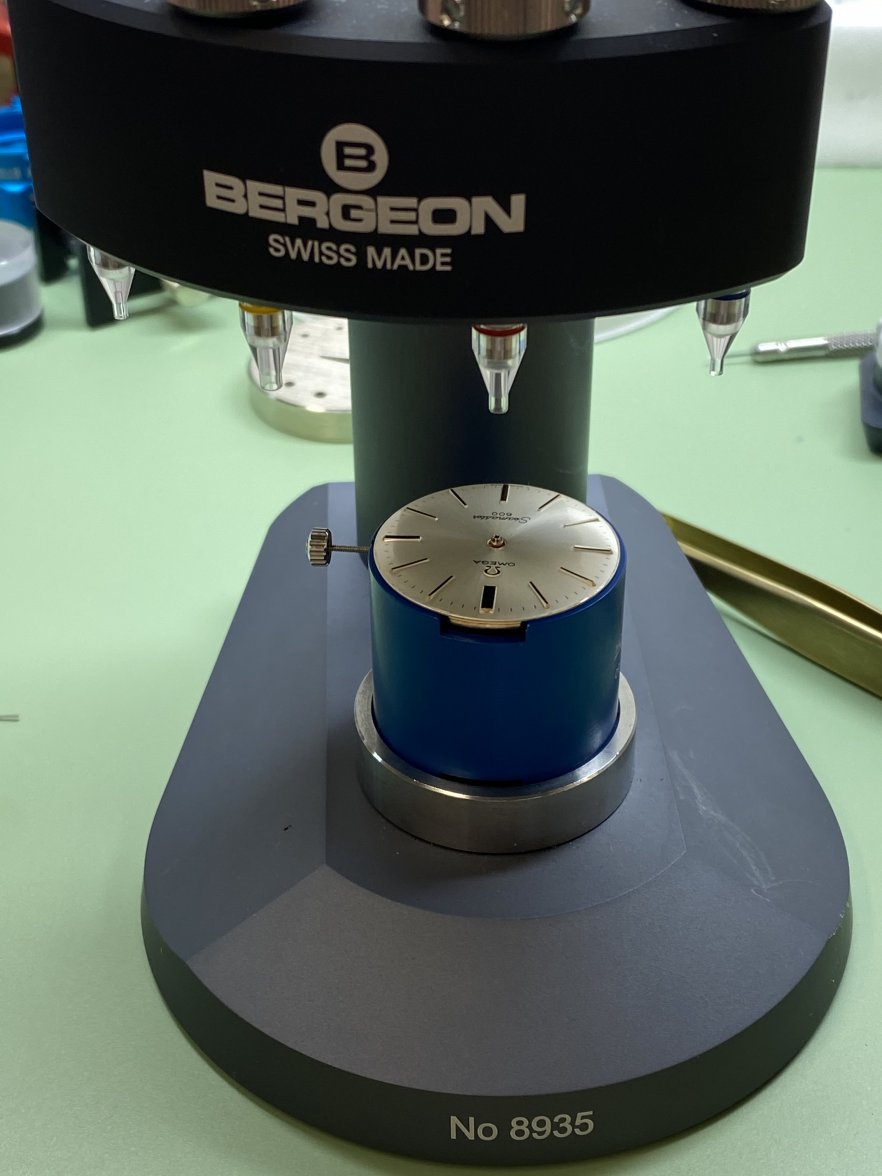
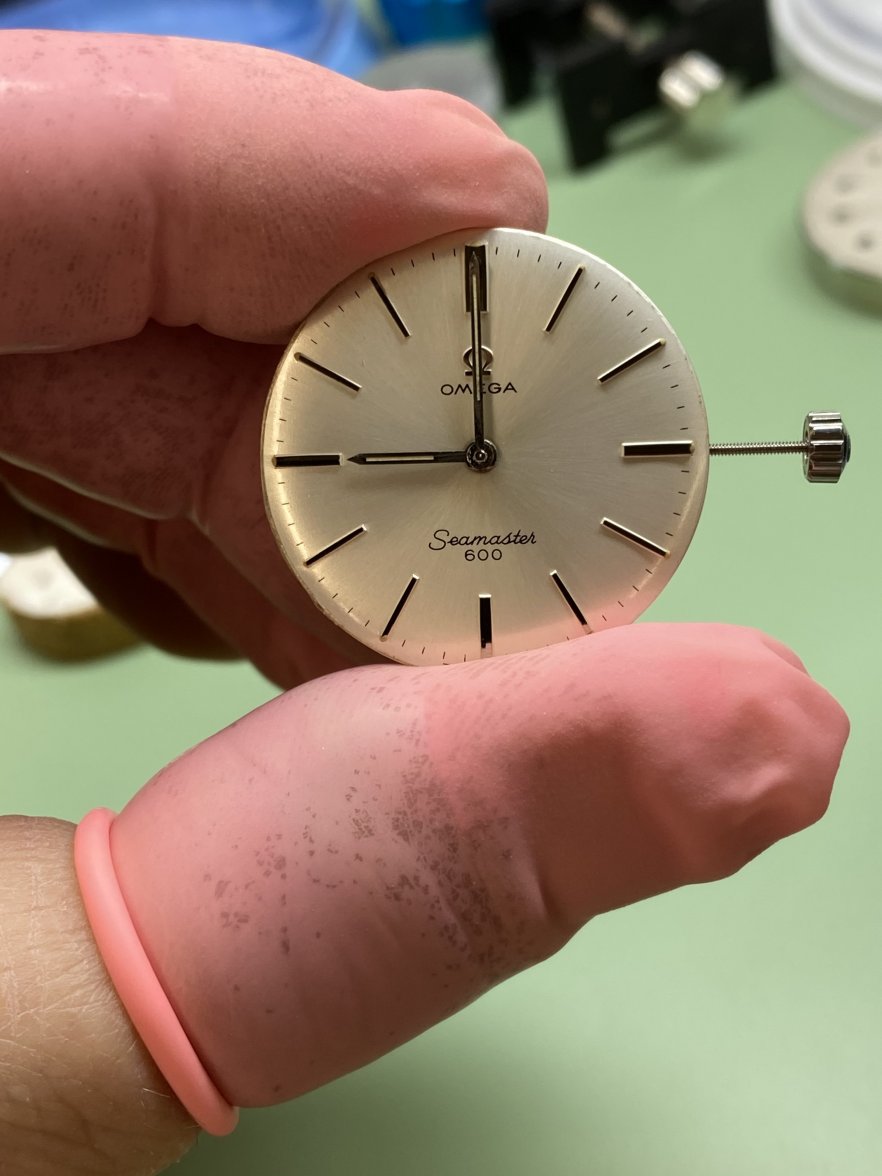
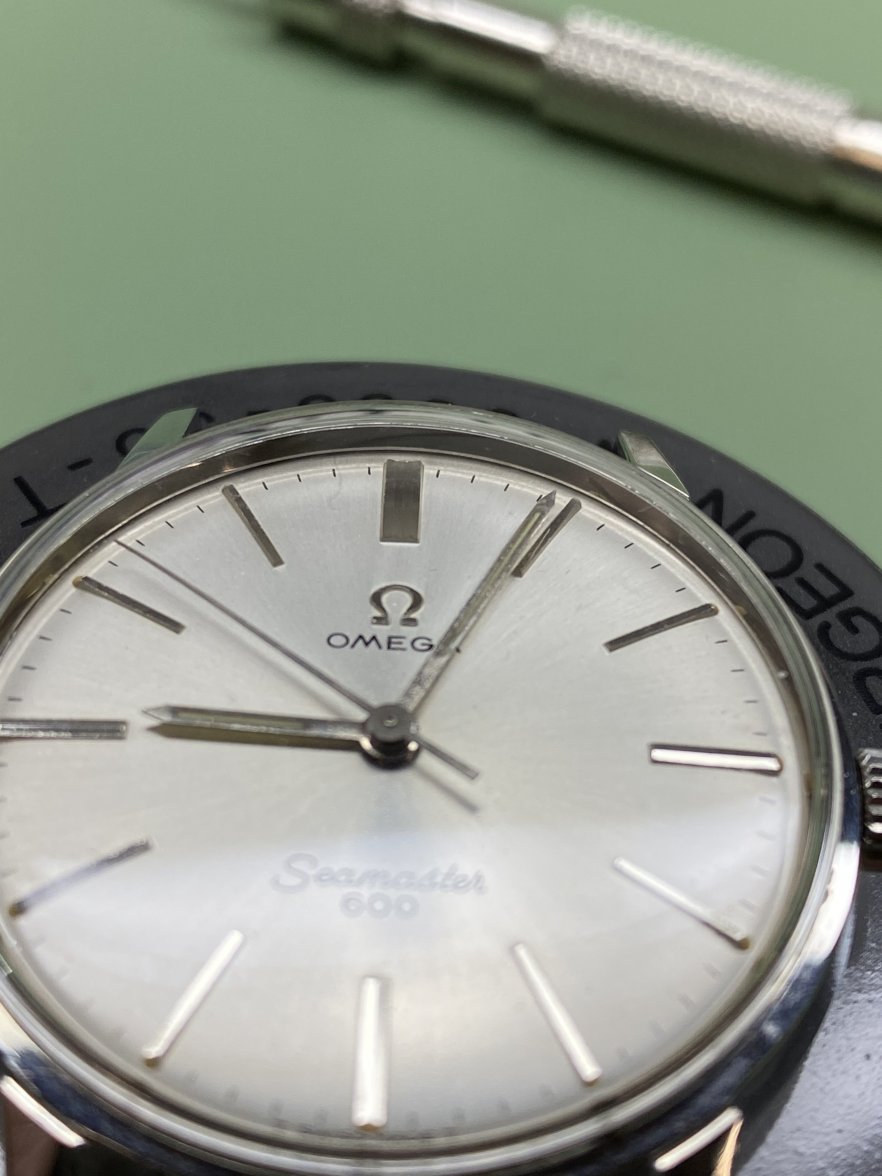
The dial is installed, then the hands. At watch school we always line the hour hand up exactly at 3 then install the minute hand exactly at 12. If both are lined up at 12 when the minute hand is installed there can be 5+ minute offset between the two.

New omega crystal is installed:
 
Posts
29,662
Likes
76,816
It looks like a lot of poising work was done to the balance, but maybe this is normal for a balance from this era?

Yes, that's normal. Although these are smooth balances (no screws) they came along before the era of automated poising that we have now. So instead of the nice neat slot cut into the underside of the rim like you see on a modern smooth balance, on these the poising was done with drills. To me this all looks like factory poising.

I would imagine that the manufacturing tolerances at the time these were made were not quite as good as they are now, which is why this one required so much poising at the factory.

The dial is installed, then the hands. At watch school we always line the hour hand up exactly at 3 then install the minute hand exactly at 12. If both are lined up at 12 when the minute hand is installed there can be 5+ minute offset between the two.

Only if you don't know what you are doing. 😉

Seriously though, there's no real need to line the hour hand up at 9 (is Tom now saying 3, or is this just a typo?) when pressing the minute hand on, and I think the main reason they taught that way is because the CW21 exam makes a point of checking the alignment at 9, rather than at 12. So if you line it up perfectly at the spot they will check it at, you are more likely to get a good grade on that check for the exam.

In practice, lining them up with the hour hand at 12 doesn't result in any alignment issues, even with a date on the movement.

Cheers, Al
 
Posts
195
Likes
492
Typo, 9:00 is the alignment checkpoint. Ive had good luck with things lining up better using this method.