- Posts
- 32
- Likes
- 25
Manlodan
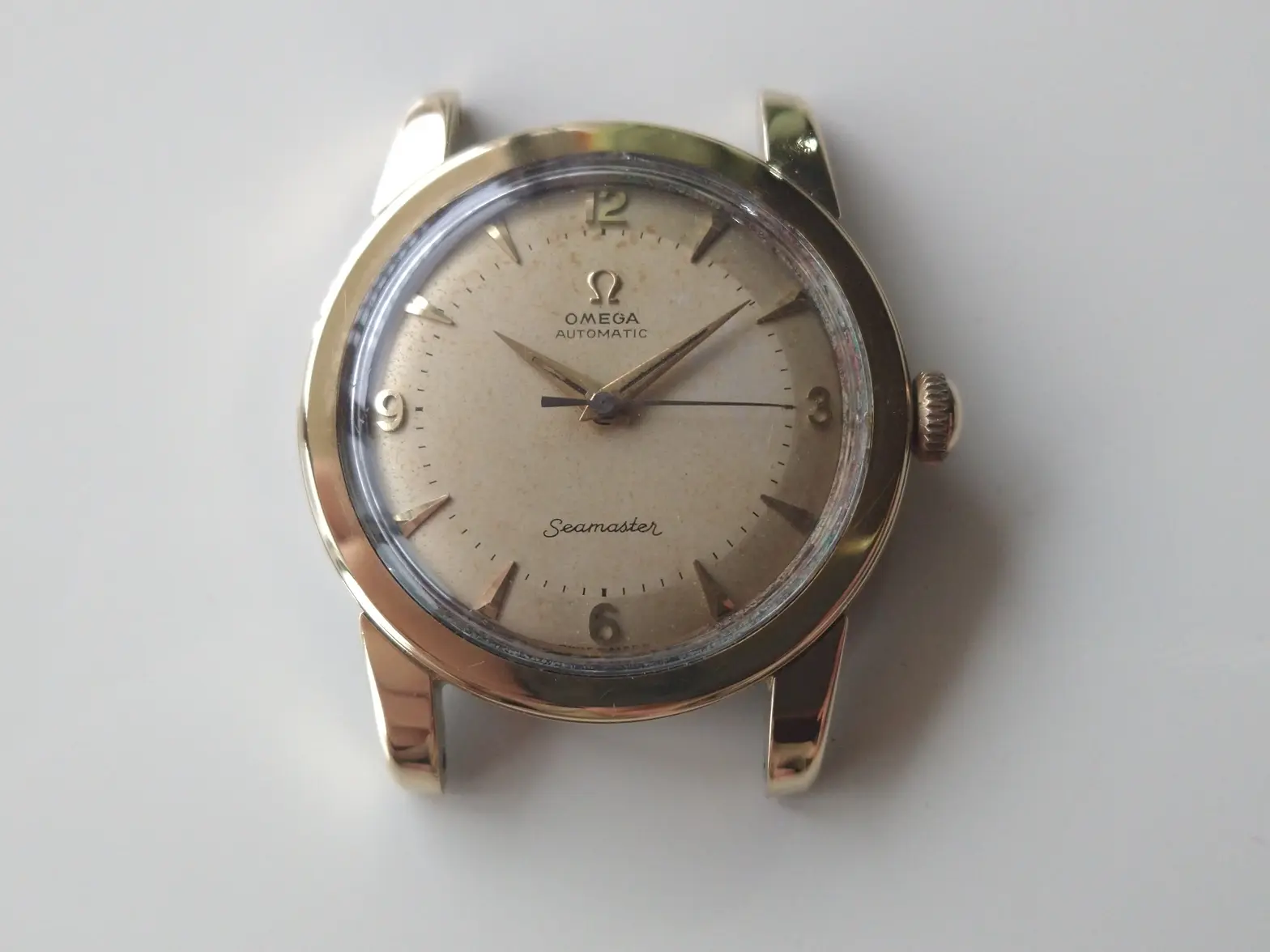
·Hello, I have recently got my hands on my second Omega- a cal. 354, 137xxxxx serial, fitted to a “beefy beveled lugs” C 2577-3 SC case. It seems to be in good original condition, but totally seized up with old oil. (the balance staff was stuck in the bridge when I took it out, and the pallet fork drags with no flick.) Hopefully it will only need cleaning and oiling, but we’ll see.
I plan to do the work myself, which is a nice change of pace since I usually work on ancient obscure watches with rare movements and unobtanium parts. To that end, I have some questions about parts;
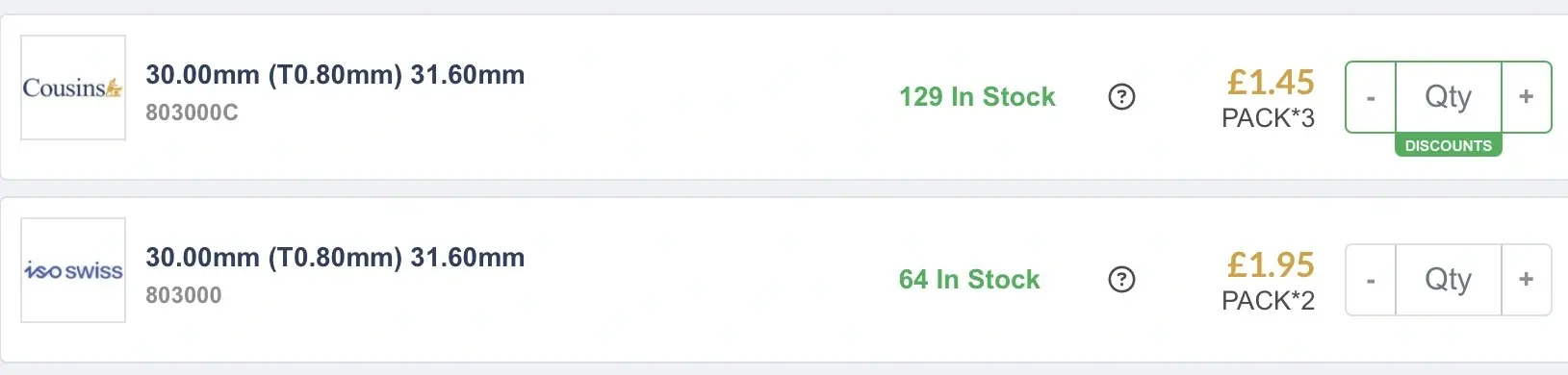
- What should I do for a case back gasket? The watch came with an ancient rubber o-ring, but it’s my understanding that these watches used a flat lead washer when new. The ID of the case back groove is 30.8mm, and the outer groove for the caseback is 32mm. Cousins lists the dimensions for the factory part at 32 x 30.8 x 0.5- I assume a flat rubber washer is the correct modern equivalent?
I can’t get a new one from Omega (right?) and the closest one Cousins sells is 32 x 31 x 0.6. I figure this probably isn’t a bad option, as there is some corrosion on the sealing surface and the extra 0.1mm might help take it up a bit, plus it will have an extra 0.2mm of width to fill out anyway. Not perfect of course, but is there any better option?
Next is the crystal/tension ring. This CK2577 has the removable type bezel, but I have read it is highly prone to damage. Is it better to leave the bezel in situ when removing the crystal? There are some scratches on the crystal I can live with, but the tension ring is quite corroded and seems to be pretty well seized, so I’d like to remove and clean it, or replace it if necessary. The crystal looks original and is quite low profile, so I’m afraid the claw tool won’t have the purchase to safely remove it or install a new one.
Finally, are there any good videos on Youtube of people servicing them that actually know what they’re doing? I have the bumper service bulletin from 1954, but I have no experience servicing Omegas and it would be nice to have a vidoe aid. The most thorough looking one I’ve seen is Weekend Watch Repair’s video on a cal. 354 Constellation, but I know he is only an amateur watchmaker himself and Omegas are not his standard fare. I’f there’s a better option, I’d love to know.
Thanks in advance!
I plan to do the work myself, which is a nice change of pace since I usually work on ancient obscure watches with rare movements and unobtanium parts. To that end, I have some questions about parts;
- What should I do for a case back gasket? The watch came with an ancient rubber o-ring, but it’s my understanding that these watches used a flat lead washer when new. The ID of the case back groove is 30.8mm, and the outer groove for the caseback is 32mm. Cousins lists the dimensions for the factory part at 32 x 30.8 x 0.5- I assume a flat rubber washer is the correct modern equivalent?
I can’t get a new one from Omega (right?) and the closest one Cousins sells is 32 x 31 x 0.6. I figure this probably isn’t a bad option, as there is some corrosion on the sealing surface and the extra 0.1mm might help take it up a bit, plus it will have an extra 0.2mm of width to fill out anyway. Not perfect of course, but is there any better option?
Next is the crystal/tension ring. This CK2577 has the removable type bezel, but I have read it is highly prone to damage. Is it better to leave the bezel in situ when removing the crystal? There are some scratches on the crystal I can live with, but the tension ring is quite corroded and seems to be pretty well seized, so I’d like to remove and clean it, or replace it if necessary. The crystal looks original and is quite low profile, so I’m afraid the claw tool won’t have the purchase to safely remove it or install a new one.
Finally, are there any good videos on Youtube of people servicing them that actually know what they’re doing? I have the bumper service bulletin from 1954, but I have no experience servicing Omegas and it would be nice to have a vidoe aid. The most thorough looking one I’ve seen is Weekend Watch Repair’s video on a cal. 354 Constellation, but I know he is only an amateur watchmaker himself and Omegas are not his standard fare. I’f there’s a better option, I’d love to know.
Thanks in advance!